
Direct Answer Box: Morning Food Choices and All-Day Metabolic Health
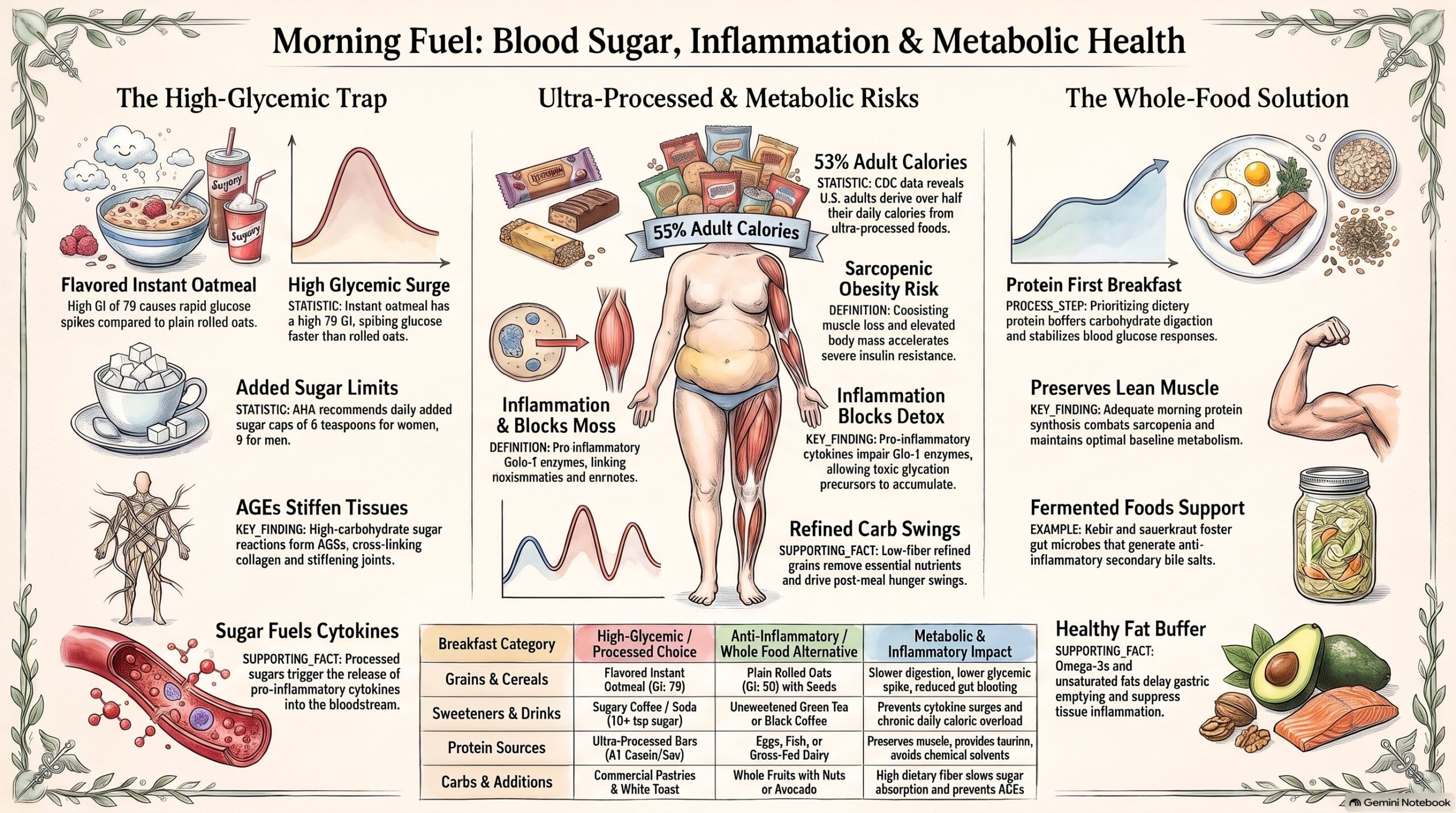
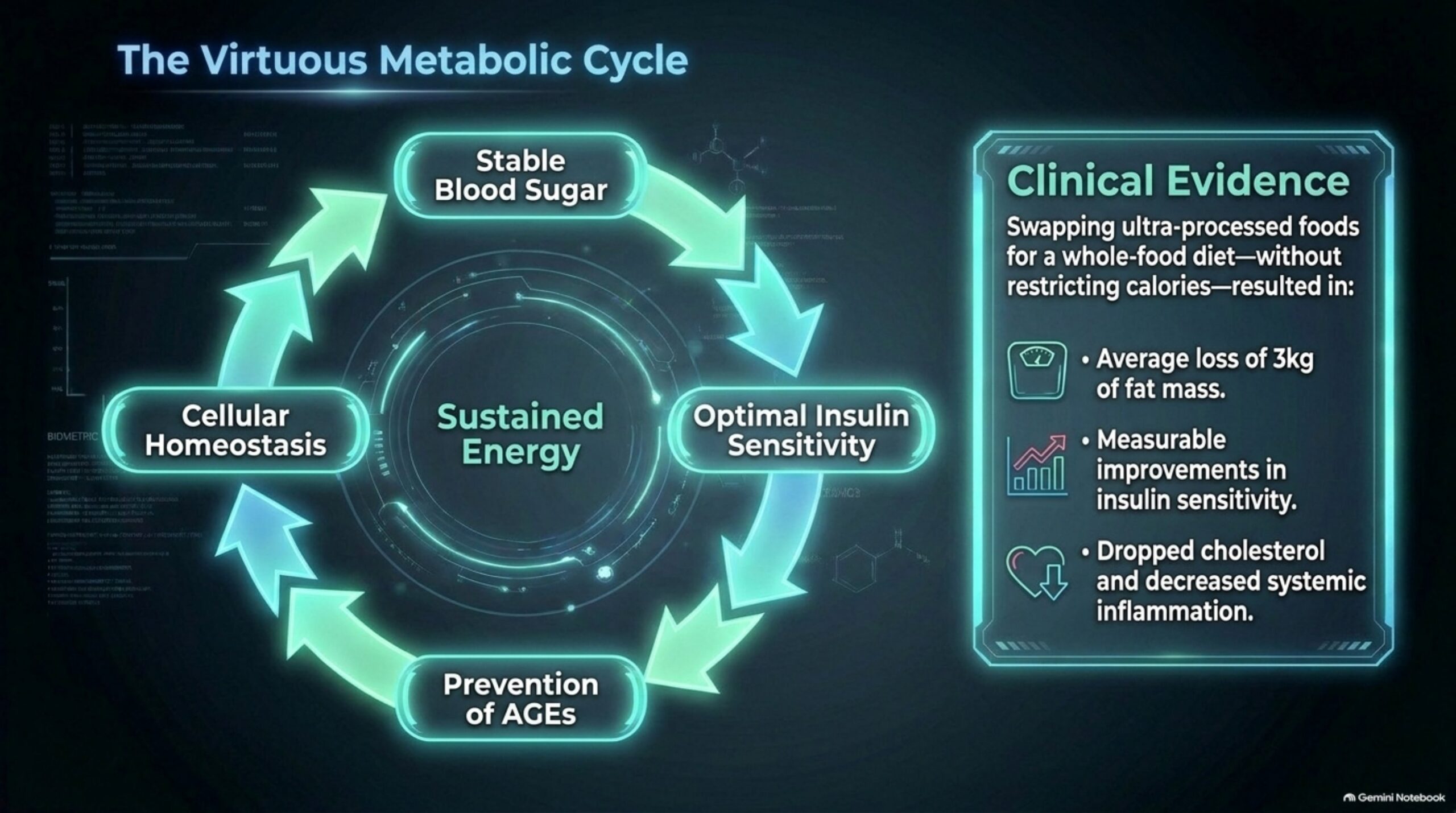
Morning food choices fundamentally dictate all-day blood sugar stability, daily energy levels, systemic inflammation, and insulin response. Shifting from high-glycemic processed carbohydrates to protein-rich whole foods prevents rapid glucose spikes, mitigates compensatory hyperinsulinemia, and suppresses pro-inflammatory pathways. This dietary evolution supports sustained metabolic health, protects lean muscle mass, and lowers chronic disease risk throughout adulthood.
1. Why Do Sugary and High-Carb Breakfasts Cause All-Day Fatigue and Systemic Inflammation?
Establishing physiological control over morning glycemic dynamics is essential for maintaining sustained energy, metabolic health, and the prevention of chronic disease.
The Glycemic Cascade of Refined Carbohydrates
Consuming high-glycemic index breakfast foods—such as refined carbohydrates found in white flour pastries, sweetened cereals, and fruit juices—triggers an immediate physiological cascade. The absence of dietary fiber and protein allows for the rapid intestinal absorption of glucose. This triggers a sharp increase in circulating blood sugar, known as a hyperglycemic spike. The pancreas responds by releasing a disproportionate surge of insulin to rapidly clear this excess glucose from the bloodstream. This compensatory hyperinsulinemia frequently overshoots the metabolic target, driving blood glucose levels below baseline and inducing reactive hypoglycemia. This rapid drop in blood glucose manifests as acute fatigue, persistent brain fog, and intense cravings for additional sugar, locking the individual into a continuous cycle of energy crashes and sugar dependence that lasts throughout the day.
High-Glycemic Breakfast Foods (Pastries, Sugary Cereals, Juices)
       │
       ▼
Unbuffered Rapid Intestinal Glucose Absorption
       │
       ▼
Acute Hyperglycemic Spike
       │
       ▼
Compensatory Pancreatic Hyperinsulinemia (Insulin Surge)
       │
       ▼
Reactive Hypoglycemia (Blood Sugar Crash)
       │
       ▼
Fatigue, Brain Fog, and Cravings for More Sugar

Biochemical Drivers of Systemic Inflammation
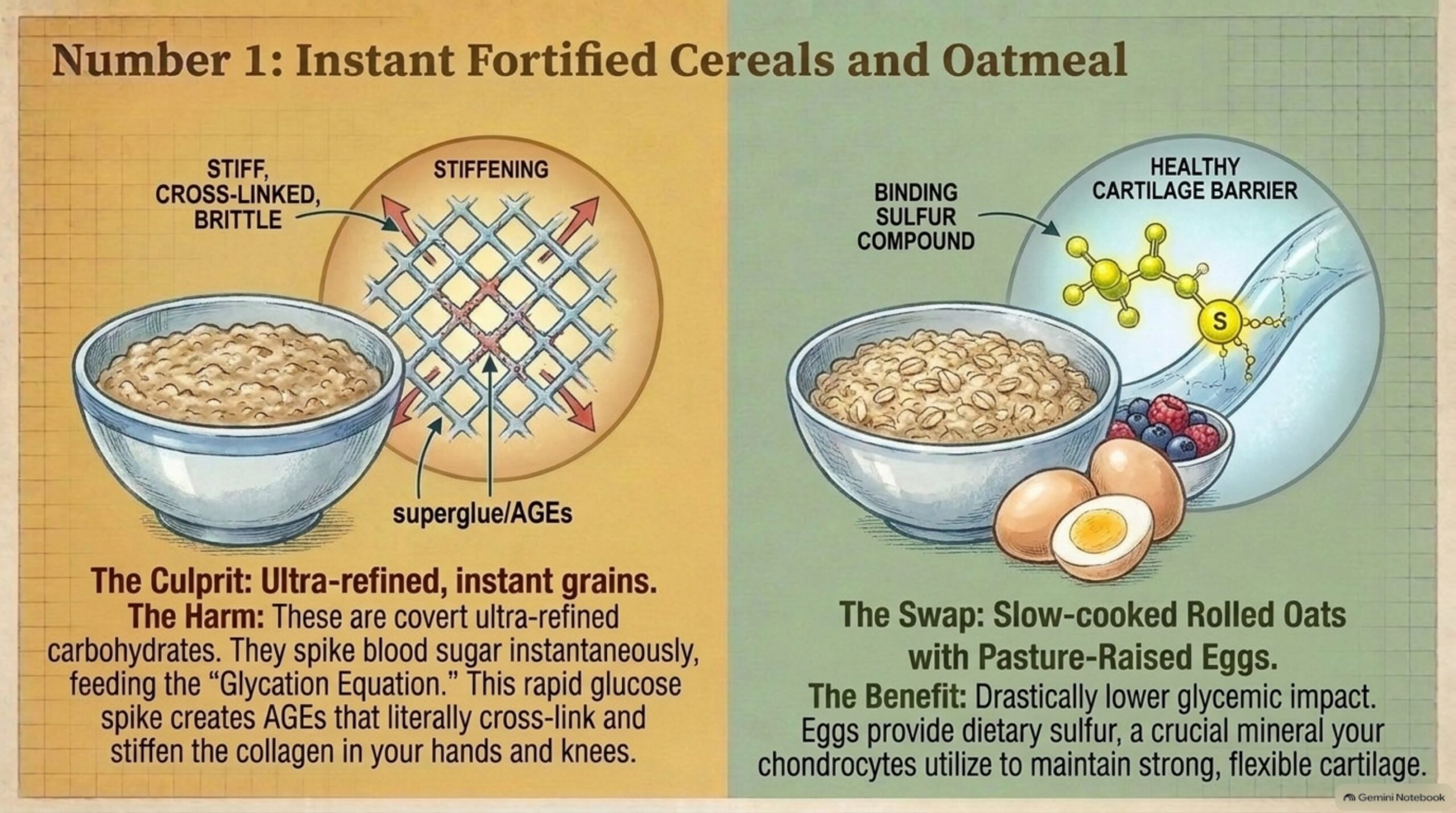
Beyond acute glucose volatility, processed sugars directly activate destructive inflammatory signaling pathways. Chronic consumption of added sugars increases pro-inflammatory cytokines—including tumor necrosis factor-alpha (TNF-α), interleukin-1 beta (IL-1β), and interleukin-6 (IL-6). Furthermore, high-glycemic processing accelerates the formation of Advanced Glycation End-products (AGEs). These compounds form when excess sugar molecules bind to proteins and lipids throughout the body, causing tissue cross-linking, vascular endothelial damage, and direct joint degradation. This chronic inflammatory state is a central pathological driver of osteoarthritis, cardiovascular disease, and accelerated biological aging.
Aligning Morning Nutrition with Cardioprotective Guidelines
To counter the chronic tissue damage driven by added sugars, the American Heart Association (AHA) recommends strict daily limits on added sugar intake, as shown in the table below.
| Demographic Group | Maximum Daily Added Sugar Limit (Calories) | Maximum Daily Added Sugar Limit (Teaspoons) | Equivalent Reference Burden |
|---|---|---|---|
| Women | 100 calories per day | ~6 teaspoons (25 grams) per day | Less than 1 small sweetened coffee beverage |
| Men | 150 calories per day | ~9 teaspoons (36 grams) per day | Less than 1 standard breakfast pastry |
To contextualize these targets, a single 12-ounce can of regular soft drink contains approximately 140 calories of added sugar—an amount that exceeds the entire daily recommended limit for women and nearly meets the limit for men.
Repeated exposure to morning glycemic volatility causes chronic intracellular stress and vascular endothelial damage, establishing a critical foundation for understanding insulin resistance, the body’s most significant metabolic disruptor.
2. How Does Insulin Resistance Develop, and How Can You Measure It Using HOMA-IR?
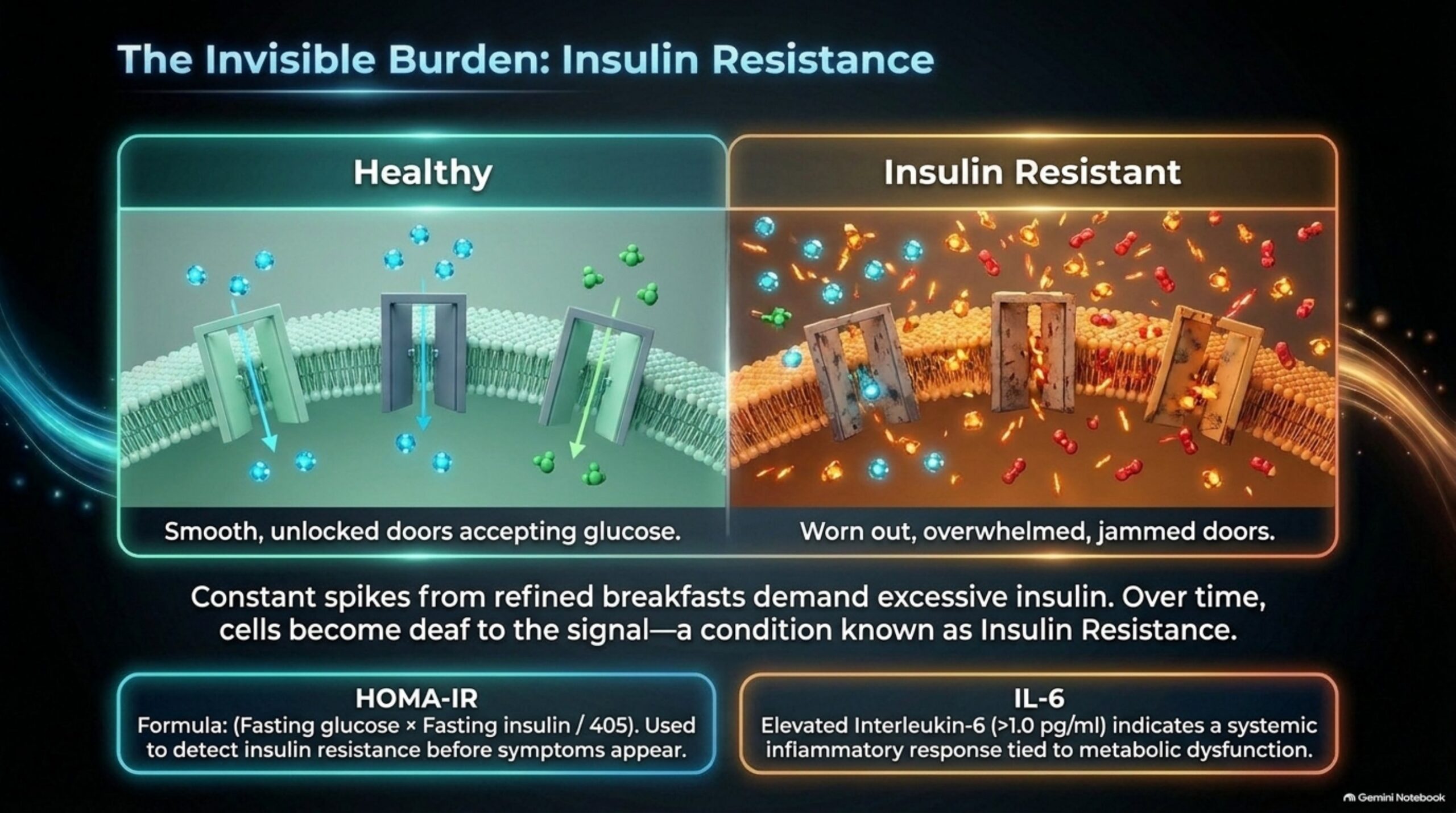
Insulin resistance (IR) is far more than a simple precursor to type 2 diabetes; it is a central metabolic disruptor that affects systemic energy regulation, cognitive performance, inflammatory status, and muscle health. This condition arises when cells become desensitized to insulin signaling, requiring the pancreas to secrete progressively higher levels of insulin to maintain normal blood glucose levels.
Physiological Deconstruction Across Key Organs
As deconstructed by Rizvi & Rizzo (2024), insulin resistance manifests through organ-specific metabolic failure:
- Adipose Tissue: Hyperinsulinemia fails to suppress hormone-sensitive lipase, leading to unrestrained lipolysis and the chronic release of free fatty acids (FFAs) into the bloodstream. This ectopic lipid deposition directly worsens insulin resistance in peripheral tissues.
- Liver Tissue: Impaired insulin signaling fails to suppress hepatic gluconeogenesis while simultaneously promoting de novo lipogenesis. This results in a dangerous combination of elevated fasting glucose and increased hepatic fat accumulation, known as metabolic dysfunction-associated steatotic liver disease (MASLD).
- Skeletal Muscle Tissue: Translocation of glucose transporter type 4 (GLUT4) to the cell surface is blocked, critically preventing glucose uptake into muscle. This leaves glucose trapped in the bloodstream while depriving muscle cells of their primary energy substrate.
Diagnostic Assessment: The HOMA-IR Model
While the hyperinsulinemic-euglycemic clamp is the gold standard for measuring insulin sensitivity in research settings, the Homeostatic Model Assessment for Insulin Resistance (HOMA-IR) provides the most accessible clinical diagnostic tool. HOMA-IR calculates insulin resistance by evaluating fasting glucose alongside fasting insulin levels.
HOMA-IR = (Fasting Glucose (mg/dL) x Fasting Insulin (μU/mL)) / 405
While optimal clinical insulin sensitivity corresponds to a HOMA-IR value near or below 1.0 (indicating that the body requires minimal insulin to regulate glucose), epidemiological cutoff values vary across clinical studies. For example, research by Rizvi & Rizzo (2024) cites a diagnostic threshold of 2.24, while other datasets indicate a range from 1.91 to 2.36 depending on population demographics. Values exceeding these thresholds indicate significant insulin resistance and a need for urgent metabolic intervention.
Central Obesity, Cortisol Dysregulation, and Cognitive Function
Clinical research from the University of Leeds (Lasikiewicz, 2006) demonstrates that central obesity directly degrades cognitive performance and neuroendocrine health. Excess visceral adipose tissue correlates with a flattened diurnal cortisol profile. Cortisol, the primary stress hormone, normally peaks in the early morning and gradually declines throughout the day. However, in individuals with central obesity, this natural rhythm is disrupted, resulting in a flattened profile characterized by elevated evening cortisol levels.
Flattened diurnal cortisol profiles correlate with elevated subjective stress, poorer sleep quality, and measurable declines in cognitive performance, particularly in executive function and attention-based processing. This means that the metabolic dysfunction caused by insulin resistance extends beyond blood sugar management—it directly degrades stress resilience, sleep architecture, and cognitive capacity.
Unchecked insulin resistance directly degrades skeletal muscle integrity, blunts tissue rebuilding processes, and accelerates the sarcopenia process. This intersection of metabolic dysfunction and muscle loss makes breakfast composition a critical factor in preserving functional independence with age.
3. How Does Eating Protein First Stabilize Blood Sugar and Preserve Muscle Mass?
Prioritizing lean protein and healthy fats before consuming carbohydrates during morning meals is an evidence-based strategy for stabilizing postprandial glycemic response. The underlying mechanism involves intricate hormonal signaling, delayed gastric emptying, and the preservation of skeletal muscle endocrine function. By altering the order of food intake, individuals can fundamentally change their metabolic response to an identical meal.
Skeletal Muscle Endocrine Signaling: The Role of Myokines
When skeletal muscle contracts and receives adequate amino acid intake (specifically branched-chain amino acids / BCAAs), it acts as a powerful endocrine organ, releasing signaling proteins called myokines into systemic circulation. These myokines regulate metabolic processes far beyond the muscle itself:
- Irisin: Stimulates the browning of white adipose tissue, increases mitochondrial uncoupling protein-1 (UCP-1) expression, and significantly improves systemic insulin sensitivity.
- GDF-15 (Growth Differentiation Factor-15): Regulates systemic energy balance and enhances lipolysis in white adipose tissue, contributing to metabolic homeostasis.
- Myonectin: Promotes fatty acid uptake and oxidation in liver and adipose tissues, clearing circulating lipids that contribute to insulin resistance.
- FGF-21 (Fibroblast Growth Factor-21): Enhances peripheral glucose uptake, supports adipose tissue browning, and protects hepatic lipid metabolism.
- Interleukin-6 (IL-6): Exercising or protein-stimulated muscular IL-6 acts transiently in an anti-inflammatory capacity, unlike chronic systemic IL-6, which promotes inflammation.
- Follistatin: Neutralizes Myostatin (a protein that inhibits muscle growth), thereby preventing tissue atrophy and preserving lean muscle mass.
Physical inactivity paired with low morning protein intake suppresses myokine secretion, uncoupling skeletal muscle from systemic metabolic regulation and accelerating age-related muscle wasting.
Mechanistic Integration: Enteroendocrine Signaling, Gastric Emptying, and Microbiome Health
Meal sequencing—consuming lean protein and healthy fats prior to low-glycemic carbohydrates—operates through three distinct but interconnected physiological pathways:
Meal Sequencing: Protein & Fats Consumed First
       │
       ▼
Stimulation of Gut Hormones (GLP-1, PYY, GIP)
       │
       ▼
Delayed Gastric Emptying & Slower Glucose Absorption
       │
       ▼
Blunted Postprandial Glucose Excursion & Improved Insulin Sensitivity
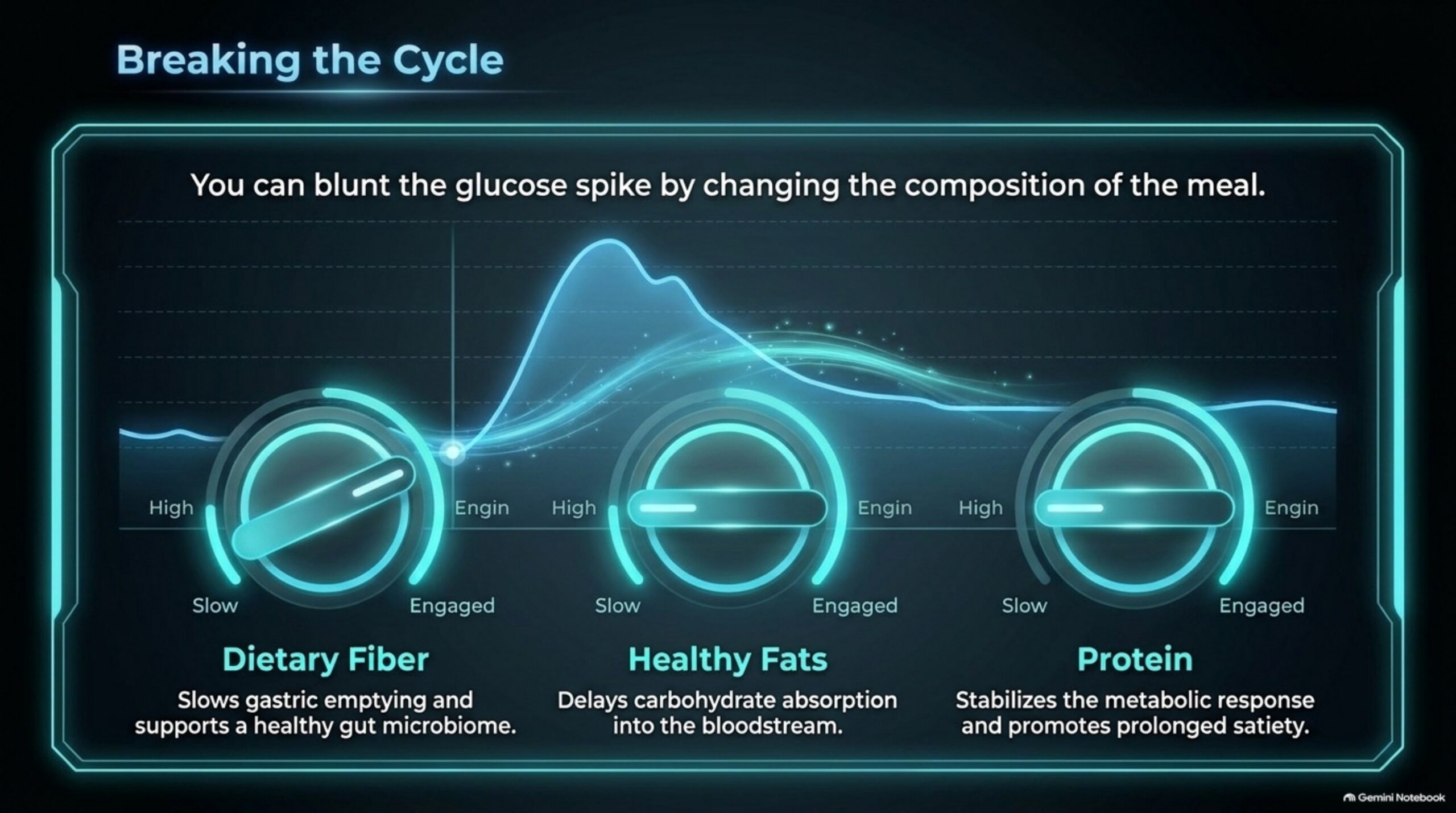
- 1. Enteroendocrine & Gastric Dynamics: Protein and fat ingestion triggers the intestinal release of glucagon-like peptide-1 (GLP-1), peptide YY (PYY), and glucose-dependent insulinotropic polypeptide (GIP). These gut hormones delay gastric emptying, significantly slowing the rate at which glucose enters the bloodstream. This produces a blunted postprandial glucose excursion and a more gradual insulin response, preventing the reactive hypoglycemia that follows high-glycemic meals.
- 2. Hepatic Lipid & Microbiome Modulation: By preventing rapid postprandial glucose and lipid surges, protein-first sequencing reduces the production of trimethylamine N-oxide (TMAO)—a gut microbiome-derived metabolite linked to cardiovascular disease—and decreases hepatic de novo lipogenesis. This mechanism directly protects liver health and preserves insulin sensitivity in hepatic tissue.
- 3. Sarcopenia Prevention via Muscle Protein Synthesis (MPS): Consuming adequate protein at breakfast (25-40g) stimulates muscle protein synthesis (MPS) through the mechanistic target of rapamycin (mTOR) pathway. This is critical for older adults, who experience anabolic resistance—a condition where the muscle becomes less responsive to protein intake. By distributing protein intake evenly throughout the day, beginning with a high-protein breakfast, individuals can maximize daily MPS and counteract age-related sarcopenia.
EWGSOP2 Diagnostic Criteria for Sarcopenia and Sarcopenic Obesity
Sarcopenia—the progressive loss of skeletal muscle mass and strength—frequently coexists with elevated metabolic risk in a condition known as sarcopenic obesity. Accurate diagnosis requires evaluating multiple clinical parameters according to the revised European Working Group on Sarcopenia in Older People (EWGSOP2) guidelines, as summarized in the table below.
| Diagnostic Parameter | Male Cut-Off Threshold | Female Cut-Off Threshold | Diagnostic Category |
|---|---|---|---|
| Grip Strength (Handheld Dynamometer) | <27 kg | <16 kg | Probable Sarcopenia |
| Chair Stand Test (5 Rises) | >15 seconds | >15 seconds | Probable Sarcopenia |
| Appendicular Skeletal Muscle Mass (ASM) | <20 kg | <15 kg | Confirmed Sarcopenia |
| ASM / Height² | <7.0 kg/m² | <5.5 kg/m² | Confirmed Sarcopenia |
| Gait Speed (4-Meter Walk) | ≤0.8 m/s | ≤0.8 m/s | Severe Sarcopenia |
| Short Physical Performance Battery (SPPB) | ≤8-point score | ≤8-point score | Severe Sarcopenia |
Establishing these endocrine and muscular mechanisms allows for a direct comparison between pro-inflammatory processed foods and anti-inflammatory whole food alternatives.
4. High-Glycemic Processed Breakfast Foods vs. Anti-Inflammatory Whole Foods
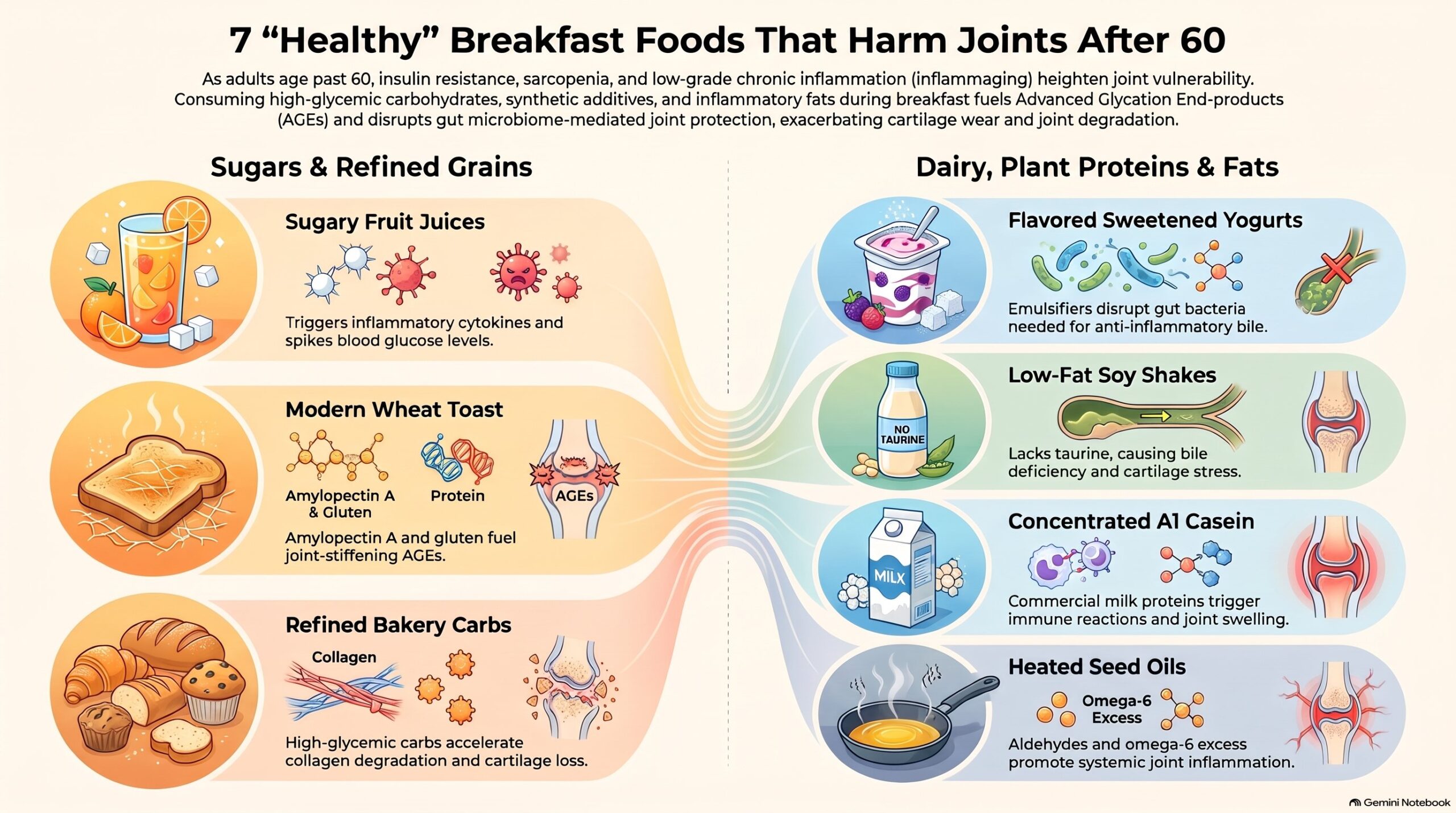
Nutritional selection at breakfast acts as a daily targeted intervention against chronic inflammation. The table below systematically compares pro-inflammatory breakfast components against anti-inflammatory whole food replacements, detailing the precise inflammatory trigger, targeted biomarker, and metabolic benefit for each category.
| Food Category | Pro-Inflammatory Example | Inflammatory Trigger & Targeted Biomarker | Anti-Inflammatory Replacement | Metabolic & Endocrine Benefit |
|---|---|---|---|---|
| Added Sugars | Commercial fruit juices, sweetened espresso drinks, breakfast syrups | Processed sugars (sucrose, fructose, HFCS) Triggers systemic cytokine release (TNF-α, IL-6) | Unsweetened green tea, black coffee, or fresh water with lemon | Eliminates refined sugar calories; aligns with AHA added sugar limit. |
| Refined Carbohydrates | White flour pastries, bagels, instant sweetened oats, sugary cereals | High-GI refined carbohydrates Accelerates Advanced Glycation End-products (AGEs) | Whole steel-cut oats, quinoa, legumes, non-starchy vegetables | Blunts postprandial glucose spikes; prevents reactive hypoglycemia and intracellular stress. |
| Saturated Fats (Excess) | Commercial breakfast sausage, processed bacon, full-fat dairy items | Excess saturated fatty acids Induces adipose tissue inflammation and toll-like receptor 4 (TLR4) activation | Sliced avocado, extra virgin olive oil, cold-water fish | Reduces visceral fat inflammation; improves systemic lipid profiles and endothelial integrity. |
| Trans Fats | Frozen breakfast pastries, commercial fried donuts, stick margarines | Partially hydrogenated oils Drives systemic inflammation and vascular endothelial dysfunction | Wild-caught salmon, chia seeds, fresh avocado spreads | Eliminates industrial trans fats; lowers high-sensitivity C-reactive protein (hs-CRP). |
| Omega-6 Fatty Acids | Industrial mayonnaise, spreads made with soybean/corn/sunflower oils | Excess omega-6 linoleic acid Produces pro-inflammatory eicosanoids (arachidonic acid pathway) | Walnuts, flaxseeds, chia seeds, extra virgin olive oil | Rebalances omega-6 to omega-3 ratio; suppresses pro-inflammatory eicosanoid synthesis. |
| Proteins & Sensitivities | Processed dairy containing casein; gluten-heavy commercial wheat products | Casein and gluten proteins Triggers autoimmune responses and joint inflammation in sensitive individuals | Organic eggs, wild fish, pasture-raised poultry, organic hemp/lentil proteins | Delivers essential amino acids for muscle protein synthesis without triggering joint sensitivity. |
| Food Additives | Processed deli meats, instant breakfast soup mixes, commercial sausage | Monosodium glutamate (MSG) & nitrates Activates dual inflammatory pathways and burdens liver detoxification | Freshly cooked unrefined lean meats, natural herbs, spices (turmeric, black pepper) | Protects hepatic detoxification pathways; eliminates additive-induced inflammatory signaling. |
| Artificial Sweeteners | Sugar-free syrups and diet beverages containing aspartame | Aspartame May trigger immune responses to “foreign chemicals” in sensitive individuals | Whole-fruit infusions, unsweetened botanical teas, sparkling water | Prevents artificial chemical immune stimulation; preserves gut microbiome diversity. |
| Alcohol | Morning mimosas, bloody marys, or alcoholic brunch drinks | Ethanol Weakens hepatic function, increases gut permeability, and fuels systemic inflammation | Plain filtered water, green tea, fresh ginger-lemon infusions | Relieves hepatic metabolic burden; supports steady gluconeogenesis and gut barrier integrity. |
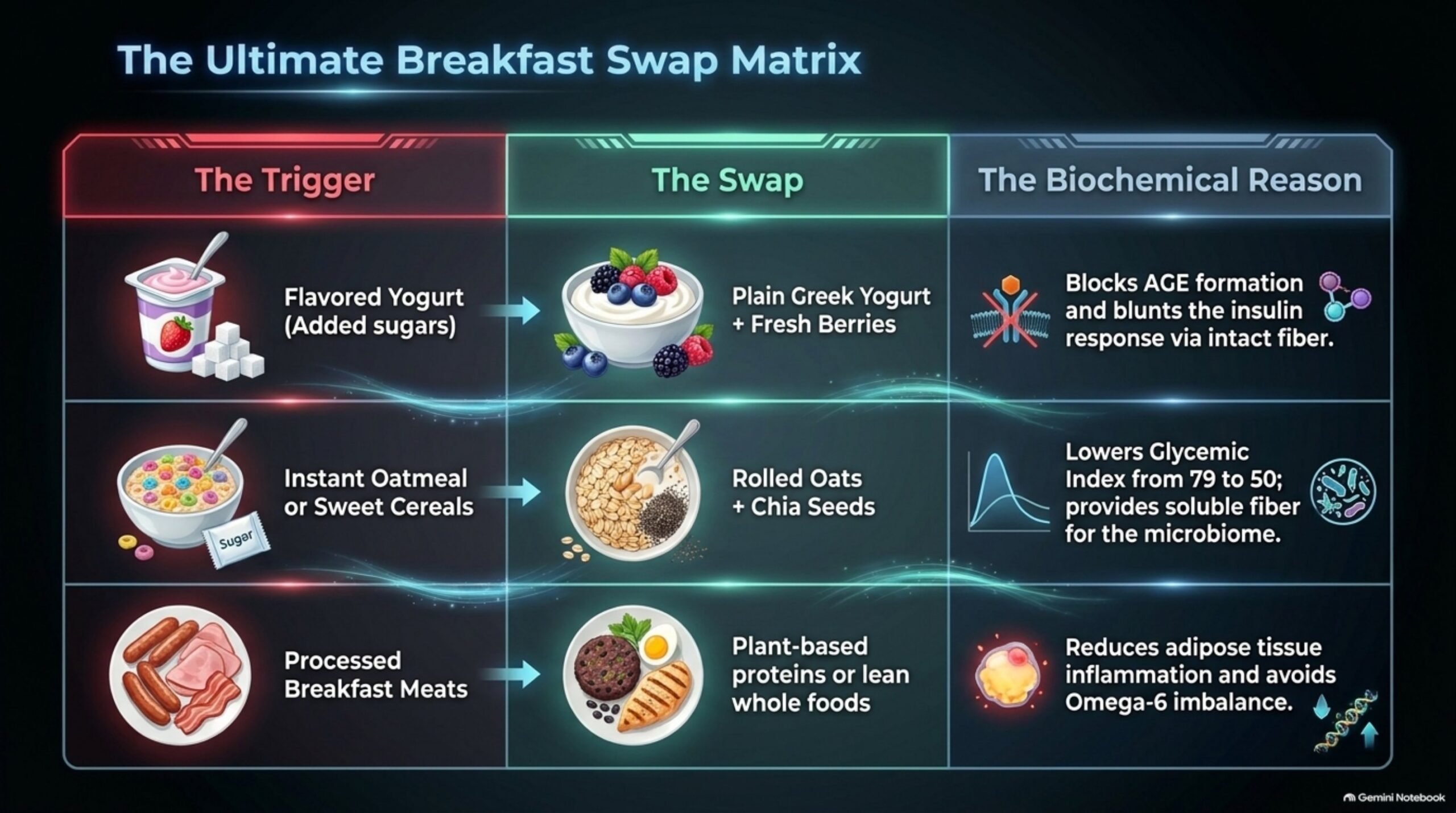
Evaluating these nutritional parameters provides the practical foundation for designing an anti-inflammatory morning meal plan, detailed in the next section.
5. The Morning Nutrition Blueprint: Designing an Anti-Inflammatory Meal Plan
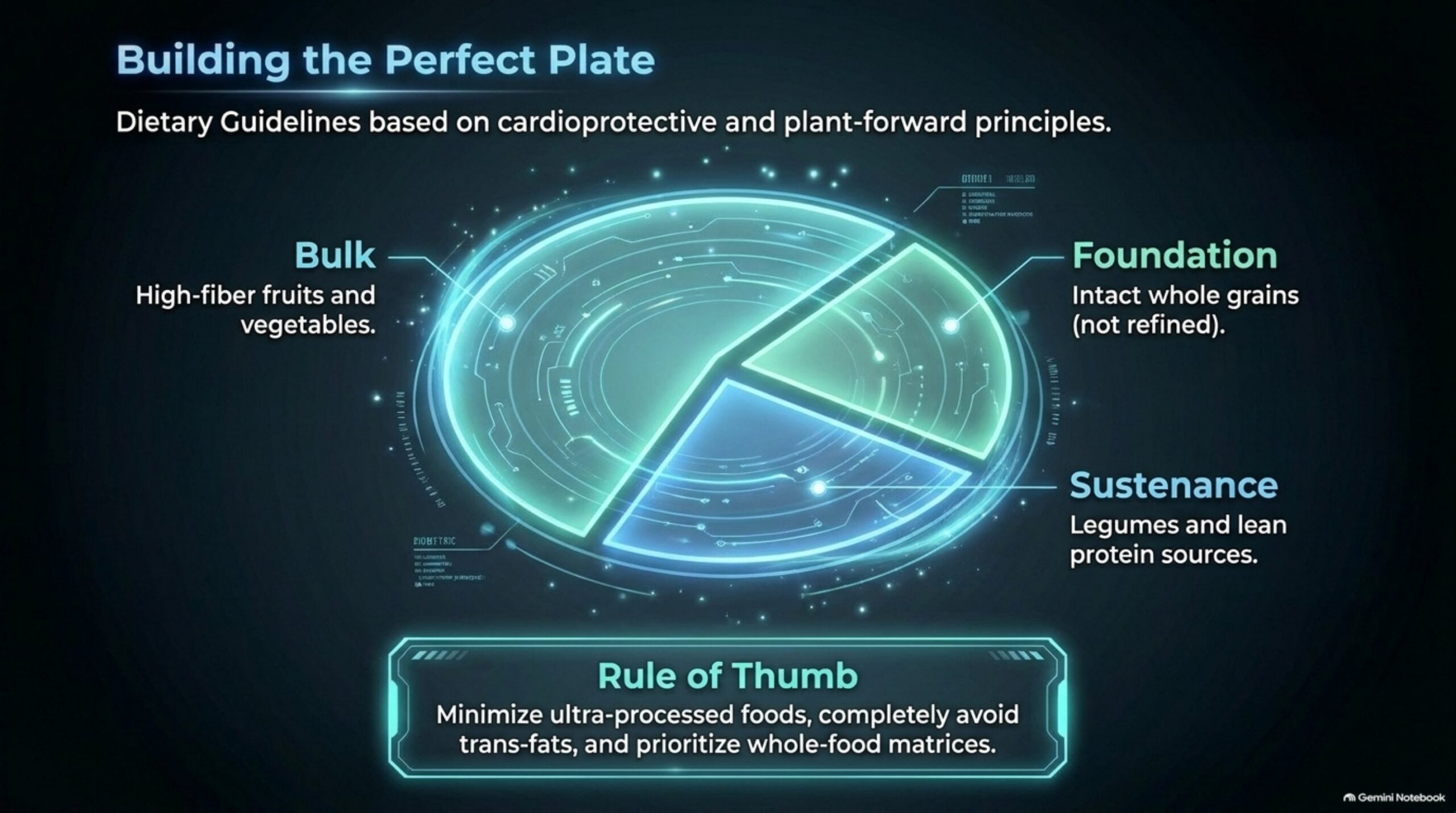
Translating clinical nutrition principles into accessible daily routines enables adults of all ages to construct meals that stabilize blood sugar, prevent muscle wasting, and systematically reduce chronic inflammation. The following mind map design outlines the optimal structure of an anti-inflammatory morning meal.
Core Dietary Guidelines Integration
Building a high-performance morning meal requires synthesizing recommendations from leading health organizations, integrating complementary strategies to maximize metabolic and anti-inflammatory benefits:
- 1. Johns Hopkins Medicine Guidelines: Align food intake with Mediterranean and DASH dietary patterns. Prioritize vegetables, fruits, whole grains, legumes, and lean proteins while eliminating ultra-processed products and minimizing TMAO-generating compounds.
- 2. Arthritis Foundation Standards: Avoid partially hydrogenated oils (trans fats), excessive omega-6 vegetable oils, and refined sugars. These substances drive joint inflammation, while anti-inflammatory alternatives such as omega-3 fatty acids and polyphenol-rich foods support joint integrity.
- 3. American Heart Association Limits: Inspect ingredient labels for hidden sugars ending in “-ose” and limit total added sugar intake to 25g per day for women and 36g per day for men. Even a single sweetened breakfast beverage can exceed this threshold.
Three Targeted Anti-Inflammatory Breakfast Templates
Template 1: The Executive Sustained-Energy Plate (For Busy Professionals)
- Protein Foundation: 3 pasture-raised egg whites combined with 1 whole egg (or 150g firm organic tofu for a plant-based alternative) to ensure 25-30g of high-quality protein.
- Healthy Fats & Fiber: ½ fresh avocado sliced over a bed of steamed baby spinach.
- Complex Low-GI Fiber: ½ cup cooked quinoa topped with 1 tablespoon of ground flaxseeds.
- Hydration & Polyphenols: 16 oz filtered water paired with unsweetened green tea.
- Targeted Biomarkers: Suppresses postprandial glycemic excursions, blunts hs-CRP elevation, and stabilizes diurnal cortisol rhythm for sustained focus.
Template 2: The Heart-Healthy Family Starter (For Active Adults & Parents)
- Protein & Microbiome Base: 1 cup unsweetened Greek yogurt (or almond/coconut yogurt alternative) mixed with 1 tablespoon of raw honey (optional, not recommended for strict sugar control).
- Micronutrients & Fiber: ½ cup fresh wild blueberries and 2 tablespoons of raw chia seeds.
- Healthy Fats: 1 oz (small handful) of raw walnuts.
- Hydration: Plain water infused with fresh lemon slices.
- Targeted Biomarkers: Lowers circulating TMAO metabolites, improves LDL-to-HDL ratios, and reduces systemic cytokine activity.
Template 3: The Endocrine & Muscle Preservation Bowl (For Muscle Maintenance)
- Protein Foundation: 4 oz grilled wild salmon or pasture-raised chicken breast (consumed first to optimize GLP-1 response).
- Complex Low-Glycemic Fiber: 1 cup steamed broccoli florets and sautéed bell peppers cooked in 1 teaspoon of extra virgin olive oil.
- Nutrient-Dense Legumes: ½ cup cooked black beans or lentils.
- Hydration: 16 oz warm water or unsweetened ginger-peppermint tea.
- Targeted Biomarkers: Maximizes muscle protein synthesis (MPS), suppresses Myostatin, enhances Irisin/FGF-21 signaling, and protects against sarcopenic obesity.
6. Frequently Asked Questions (AEO/GEO Optimized)
Early indicators of a morning blood sugar spike include post-meal fatigue, cognitive brain fog, and intense sugar cravings within 1-2 hours of eating. These symptoms signal reactive hypoglycemia, where a rapid insulin surge drives blood glucose below baseline following a high-glycemic meal.
Added sugars trigger chronic inflammation by elevating pro-inflammatory cytokine release and accelerating the formation of Advanced Glycation End-products (AGEs). These compounds cause protein cross-linking, vascular endothelial damage, and joint degradation, driving chronic diseases such as osteoarthritis and cardiovascular disease.
HOMA-IR calculates insulin resistance by evaluating fasting glucose alongside fasting insulin levels. This provides a more comprehensive measure of metabolic health than fasting glucose alone, as it can identify insulin resistance before blood sugar levels become abnormally elevated.
Changing your breakfast to prioritize lean protein stimulates muscle protein synthesis and releases myokines such as Irisin and Follistatin. These proteins protect against muscle atrophy, enhance insulin sensitivity, and preserve functional independence, directly counteracting sarcopenia.
Commercial breakfast foods often contain refined carbohydrates, trans fats from partially hydrogenated oils, excess omega-6 fatty acids, and food additives such as MSG and nitrates. These ingredients trigger systemic inflammation and joint degradation by elevating pro-inflammatory cytokines (TNF-α, IL-6, IL-1β) and accelerating AGE formation.
Prioritizing protein at breakfast increases satiety, reduces postprandial glucose swings, and blunts the insulin surges that drive fat storage. Protein also stimulates thermogenesis and preserves lean muscle mass, which is essential for maintaining a healthy metabolic rate.
7. Author Bio & Educational Medical Disclaimer
Author Bio
Yogi Baqer | Life Coach (E-RYT 500) is an elite wellness strategist, expert in mindful movement, and founder of Yoga Islamabad, where he has mentored hundreds of students in achieving holistic health through breathwork, asana, and nutritional optimization. His expertise in integrative health bridges Eastern yogic philosophy with Western nutritional science, providing a unique evidence-based perspective on age-related metabolic health. Yogi Baqer is currently pursuing a Doctor of Business Administration (DBA) focused on AI-driven innovation and wellness technologies.
Educational Medical Disclaimer
This document is intended solely for educational and informational purposes and does not constitute medical advice, diagnosis, or treatment. The content presented herein is based on scientific literature and general wellness principles and is not a substitute for professional medical consultation. Individuals with pre-existing health conditions, including diabetes, cardiovascular disease, or metabolic disorders, should consult a qualified healthcare professional before implementing any dietary or lifestyle changes described in this document. The author and publisher disclaim any liability for any adverse effects or consequences resulting from the use or application of the information contained in this document.