
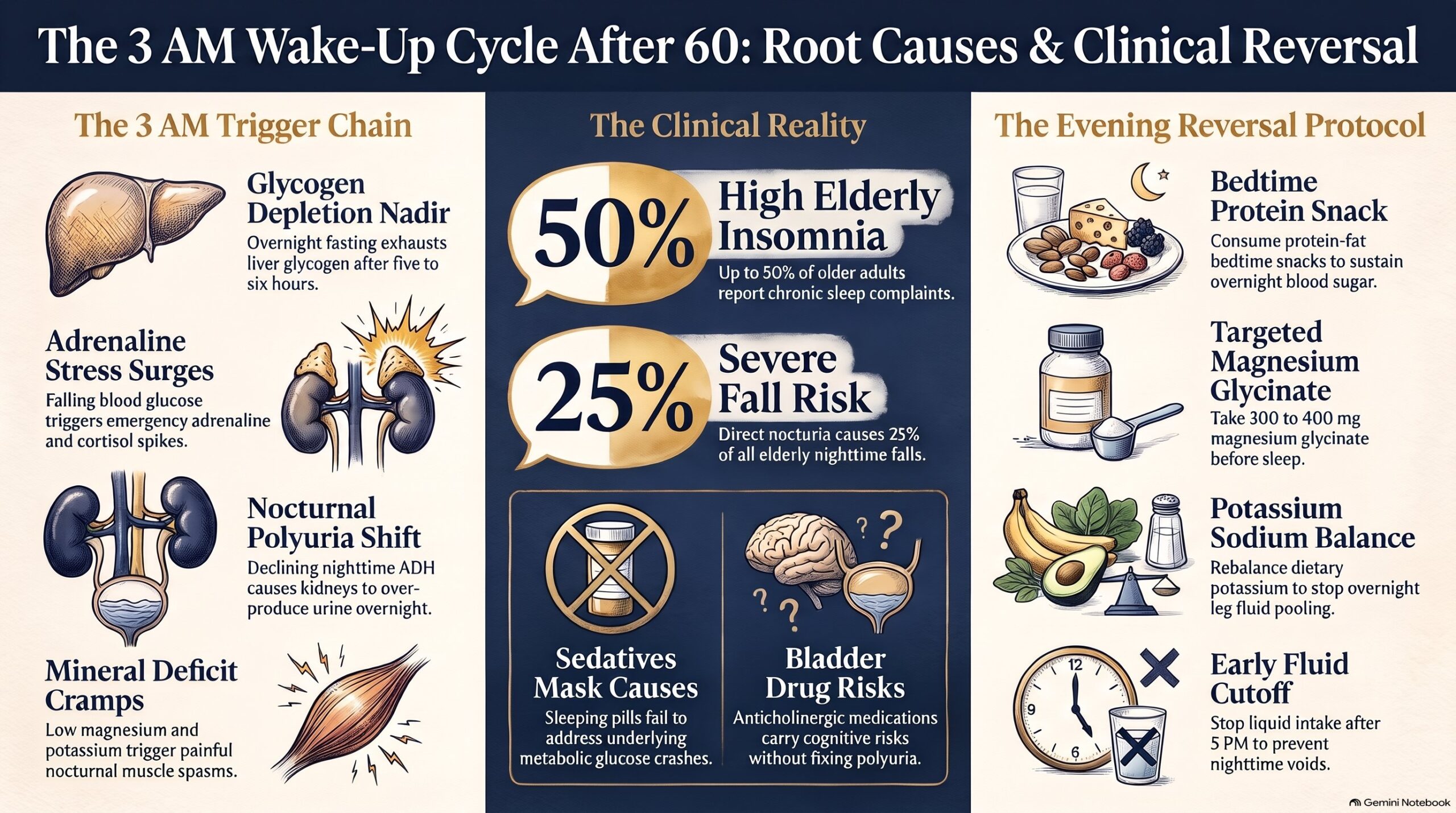
Quick Summary (AEO Direct Answer): Adults over 60 frequently wake up around 3 AM due to nocturnal cortisol spikes triggered by low blood sugar drops, age-related circadian rhythm shifts, and elevated nocturia risk linked to obesity and hypertension. To restore uninterrupted sleep, combine low-glycemic bedtime nutrition, targeted magnesium supplementation, 12 minutes of daily exercise, and Cognitive Behavioral Therapy for Insomnia (CBT-I).
Why Do Adults Over 60 Wake Up at 3 AM?
If you or a loved one routinely wake up around 3 AM with a pounding heart, damp sheets, or a sudden surge of worry, you are far from alone. For millions of adults over 60, this midnight disturbance feels like an unpredictable alarm clock. However, physiological research reveals that these sudden awakenings are driven by a distinct biological mechanism: the delicate interplay between your adrenal glands, midnight blood sugar shifts, and natural changes in your aging brain.
Sitting just above your kidneys, your adrenal glands produce cortisol—often called the body’s master stress hormone. Beyond managing stress, cortisol plays an indispensable daily role in metabolic regulation. During extended periods of fasting—such as your night’s sleep—cortisol works alongside your liver to perform gluconeogenesis (the creation of fresh glucose) while temporarily dampening insulin sensitivity. This vital process keeps your blood sugar stable so your brain receives a steady stream of fuel throughout the night.
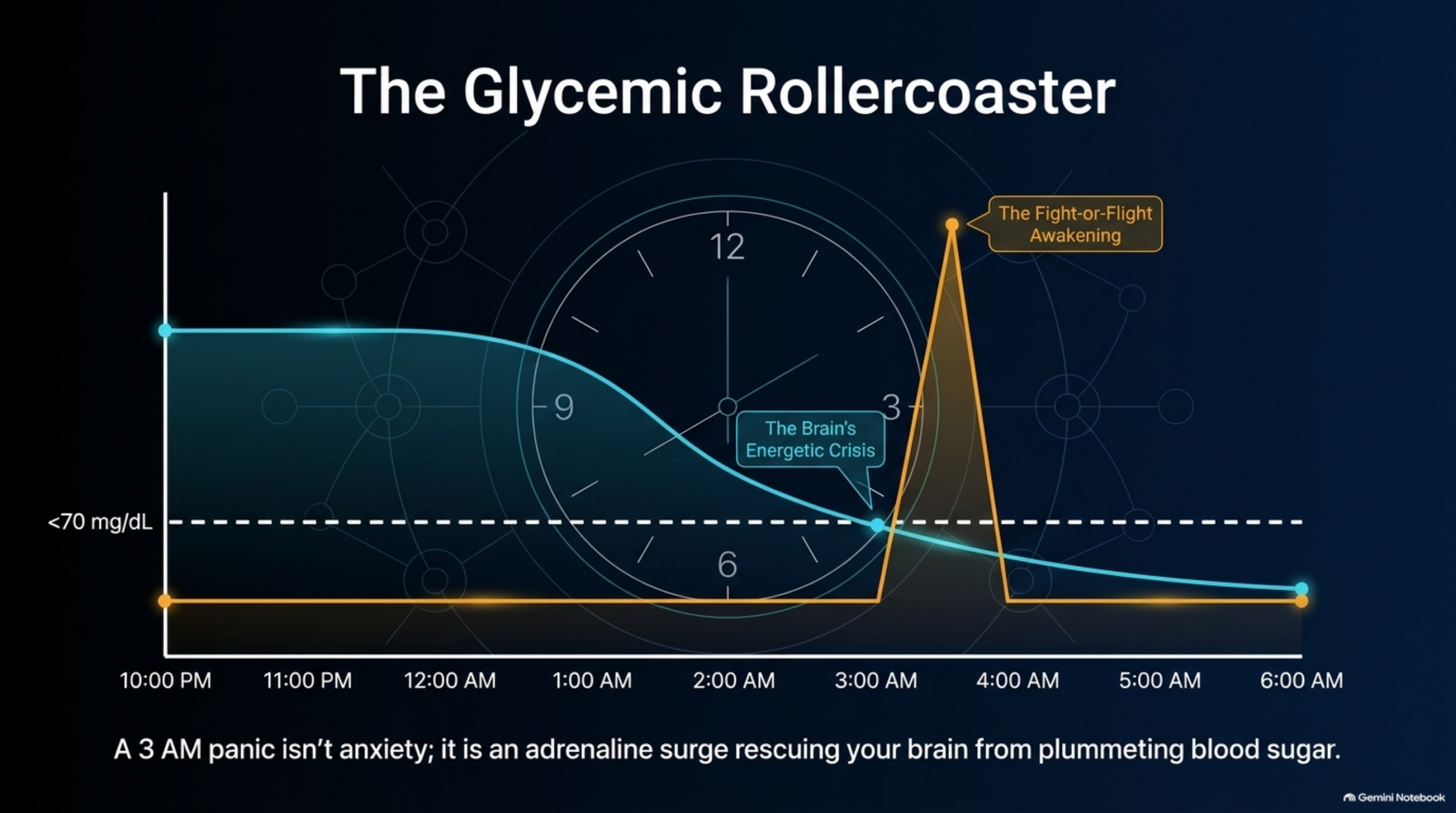
However, as we grow older, adrenal responsiveness and counter-regulatory blood sugar control can fluctuate. During overnight sleep, blood glucose levels may take a sharp, unexpected drop—a phenomenon known as reactive hypoglycemia. When circulating blood sugar dips to 65–70 mg/dL or below, your brain senses an urgent energy shortage. To prevent starvation, the adrenal glands pump out an emergency surge of cortisol and adrenaline.
Instead of gently keeping you asleep, this sudden adrenaline spike acts like an internal emergency flare. It triggers rapid heart contractions, cold sweats, nighttime anxiety, and abrupt, wide-awake alertness right around 3 AM.
Real-World Observations: Distinguishing Blood Sugar Patterns
Understanding how nocturnal low blood sugar manifests in real life requires examining documented metabolic tracking. Certified Sports Dietitian Dr. Amanda Foster, who has spent 14 years optimizing performance nutrition, reviewed a compelling case study of a 40-year-old woman following a strict low-carbohydrate ketogenic diet. Three months into her regimen, the woman began waking at 3 AM with a racing heart and cold sweats. Her continuous glucose monitor (CGM) confirmed fasting blood glucose dips between 65 and 70 mg/dL. Dr. Foster noted that integrating electrolyte support and a modest bedtime snack rich in healthy fats smoothed out these nocturnal dips and calmed the night awakenings.
In a separate self-trial evaluation, Daniel Carter—a metabolic health practitioner who has systematically tested over 80 wellness products during six years of low-carb living—logged his own CGM responses to nocturnal glucose crashes. Carter tracked his fasting lows dropping to a shaky 62 mg/dL. By testing an adrenal-support regimen featuring targeted adaptogens and minerals over a two-week period, Carter documented his overnight glucose floor rising into a stable range of 78 to 85 mg/dL. This stabilization eliminated his abrupt midnight adrenaline surges, illustrating how smoothing out nighttime glucose curves protects restful sleep.
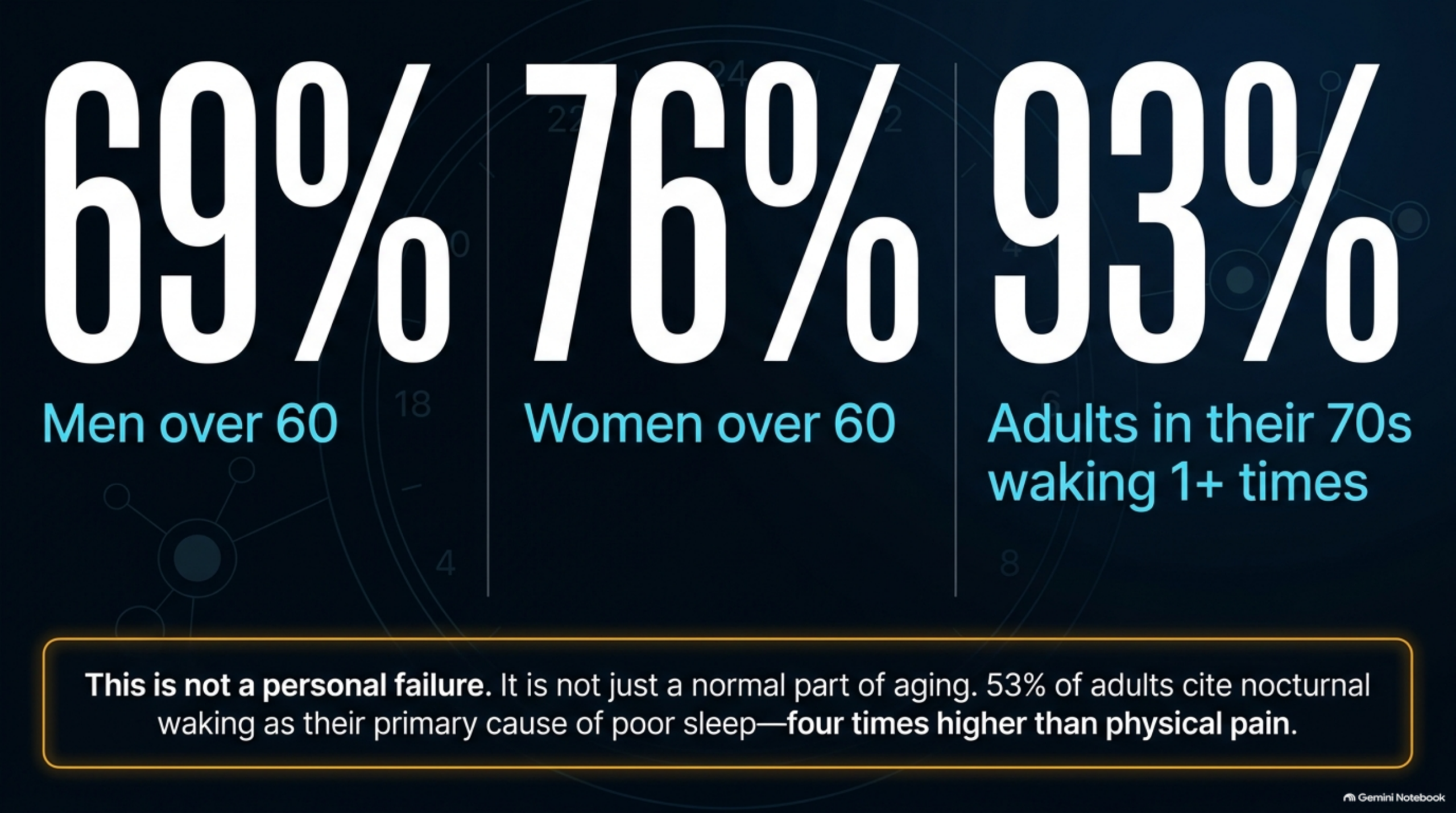
How Does Cortisol and Circadian Shift Disrupt Deep Sleep?
While a midnight cortisol surge acts as the physical trigger for waking up, biological changes in the aging brain determine how easily that trigger disturbs your rest. Research synthesized by the National Institute on Aging and published in Sleep Breath (Gencarelli et al., 2021) details how healthy aging alters our master biological clock, located in a specialized brain region called the suprachiasmatic nucleus (SCN).
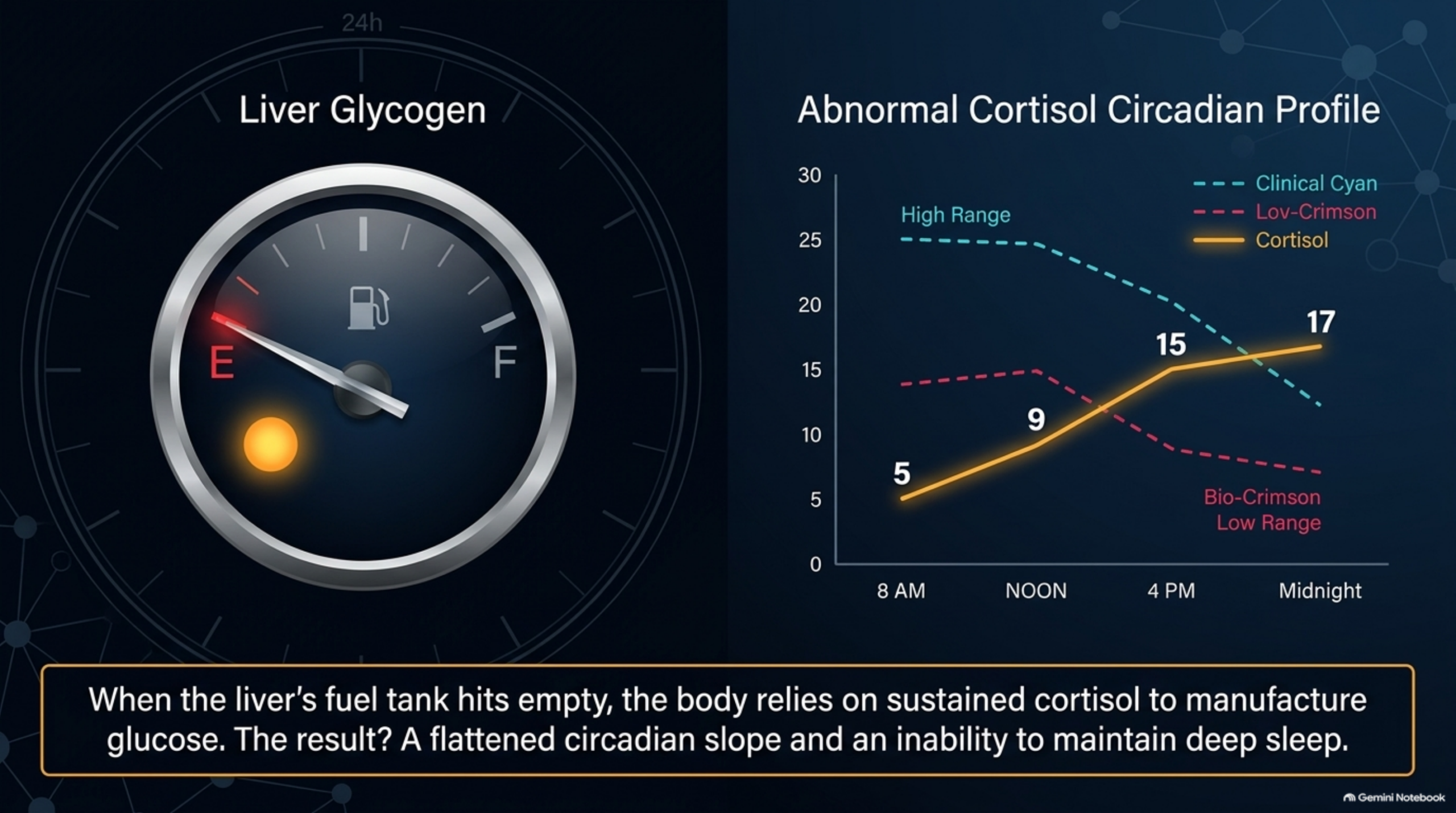
The SCN receives environmental light cues and synchronizes your 24-hour body clock. As we age, gradual SCN degeneration causes a natural shift known as a circadian phase advance. This shift pushes your biological sleep window earlier, making you feel sleepy earlier in the evening and prompting earlier wake times. Additionally, SCN aging flattens core body temperature variations and alters daily melatonin and cortisol secretion.
Concurrently, sleep architecture undergoes progressive shifts across the lifespan:
Total Sleep Time & Efficiency: Overall sleep duration decreases, accompanied by lower sleep efficiency (the percentage of time in bed spent asleep).
Restorative Stages: Older adults experience reduced proportions of slow-wave sleep (SWS)—the deep, physically restorative phase—and rapid eye movement (REM) sleep.
Stage Transitions: Sleep latency (time to fall asleep), Non-REM Stage 1, Non-REM Stage 2, and wake after sleep onset (WASO) all naturally increase.
At an electroencephalogram (EEG) level, aging brain tissue exhibits natural cortical thinning—sometimes referred to as the “shrinking brain phenomenon”—alongside subtle reductions in gray and white matter volume across the frontal and occipital cortices. These micro-structural changes lead to a decline in K-complexes and sleep spindles (rapid 12–15 Hz oscillating electrical bursts lasting 0.5 to 2 seconds during Stage 2 sleep).
Think of sleep spindles as your brain’s natural noise-canceling headphones. They cushion your conscious mind by filtering out internal body sensations and light external noises. When youthful spindle density is high, a minor blood sugar wobble or small cortisol release occurs quietly in the background without disturbing your sleep. But when age-related cortical thinning reduces your spindle density, your brain loses its protective filter. Consequently, even a mild 3 AM blood sugar drop and accompanying cortisol bump breaks straight through to consciousness, leaving you suddenly wide awake.
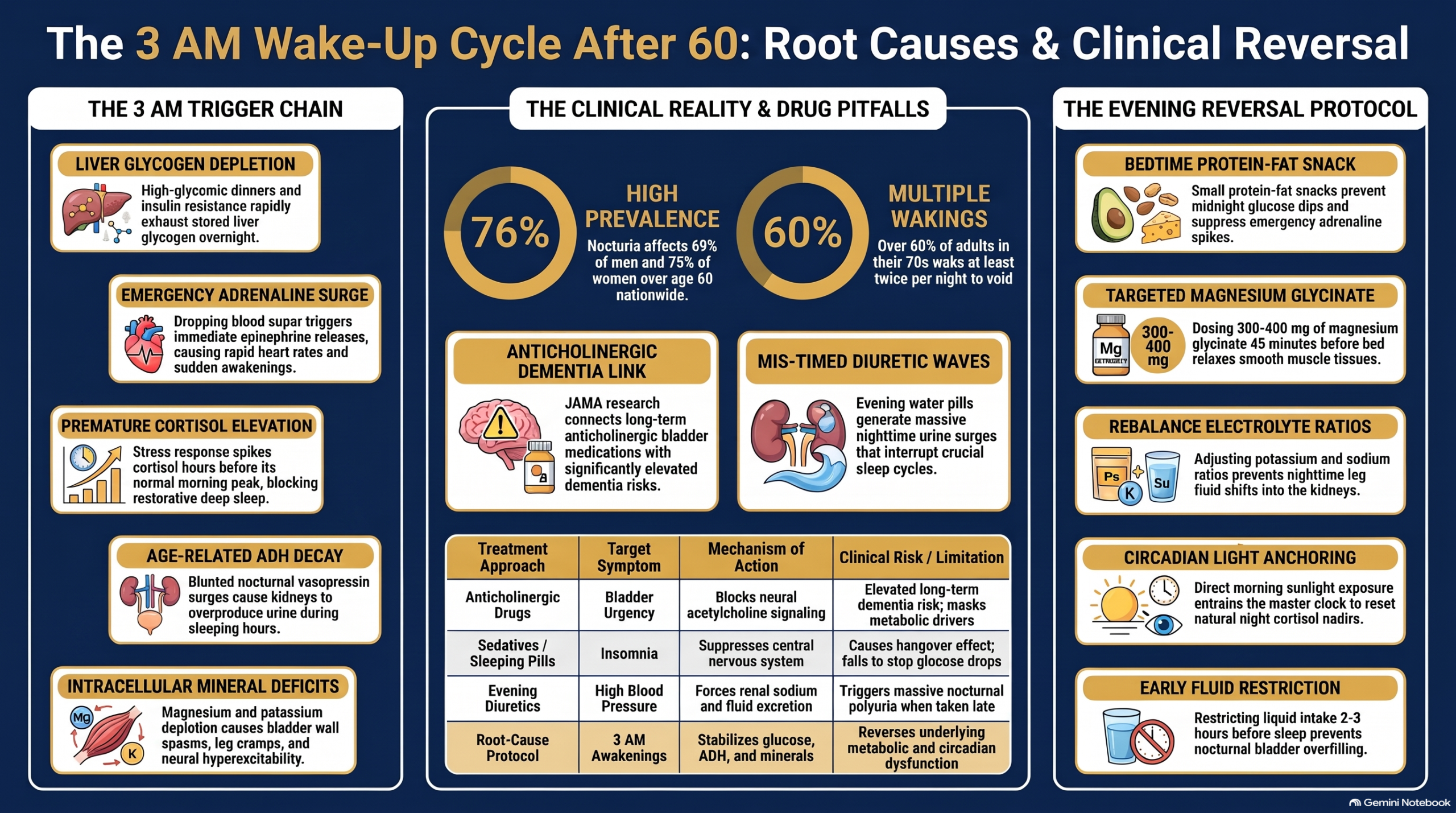
Caption: Visualizing the 3 AM Cortisol Spike and Nocturnal Blood Sugar Crash Cycle.
How Do Diabetes, Obesity, and High Blood Pressure Cause Nocturia?

While hormonal drops and brain changes create internal wakefulness, physical urinary urges represent the most frequent reason older adults step out of bed. Nocturia—defined medically as waking two or more times per night to urinate—is the leading lower urinary tract symptom (LUTS) in older populations. It causes fragmented sleep, daytime tiredness, mood strain, and a significantly heightened risk of nighttime slipping and fall-related bone fractures.
A comprehensive clinical trial published in the Annals of Geriatric Medicine and Research (Joo Seop Kim, Shinje Moon, Hyung Joon Yoo et al., 2018) examined data from 4,698 older adults aged 65 and older within the National Health and Nutrition Examination Survey (NHANES 2005–2012; total dataset n=40,790). The researchers revealed that nocturia affects 49.7% of older Americans (51.7% of men and 47.6% of women). By comparison, young adults aged 20 to 34 report a nocturia rate of just 8.2%.
Through rigorous statistical modeling, the NHANES study established exact odds ratios (OR) demonstrating how common metabolic conditions increase nocturia risk in seniors:
Obesity (BMI ≥30 kg/m²): Increases overall nocturia risk by 46% (OR 1.46; 95% CI, 1.28–1.68). In men, obesity raised nocturia odds by 55% (OR 1.55), while in women it increased odds by 36% (OR 1.36).
Hypertension (High Blood Pressure): Increases overall nocturia risk by 28% (OR 1.28; 95% CI, 1.07–1.52), showing a stronger effect in men (OR 1.41) than in women (OR 1.18).
Diabetes Mellitus: Increases overall nocturia risk by 27% (OR 1.27; 95% CI, 1.11–1.45), elevating risk in men (OR 1.30) and women (OR 1.25). Furthermore, each additional year a person lives with diabetes independently increases nocturia risk by 2% (OR 1.02; 95% CI, 1.01–1.03).
The physical pathways connecting this metabolic triad to nighttime bathroom trips are clear and interconnected:
Insulin Resistance & Tissue Changes: Excess body weight often drives elevated circulating insulin (hyperinsulinemia). High insulin overstimulates the sympathetic nervous system, boosting stress signals that promote prostate enlargement (benign prostatic hyperplasia, or BPH) in men. In both men and women, weight-related pelvic blood vessel hardening (atherosclerosis) reduces localized oxygen, encouraging bladder tissue scarring (fibrosis) that physically shrinks total bladder storage capacity.
Fluid Recirculation & Kidney Pressure: High blood pressure alters microscopic kidney filtering channels (glomerular filtration and tubular transport). When you lie flat in bed at night, gravity no longer pulls fluids into your lower legs. Fluid accumulated in your calves and feet during the day re-enters your blood circulation, causing your kidneys to produce excessive fluid at night (nocturnal polyuria). Common blood pressure drugs, such as calcium channel blockers and beta-blockers, can further increase these liquid shifts.
Airway Resistance & Hormonal Signals: High blood pressure and diabetes are major risk factors for obstructive sleep apnea (OSA). When nighttime breathing is temporarily obstructed, lowered chest pressure and blood oxygen drops cause the heart to release Atrial Natriuretic Peptide (ANP)—a hormone that signals the kidneys to produce excess nighttime urine.
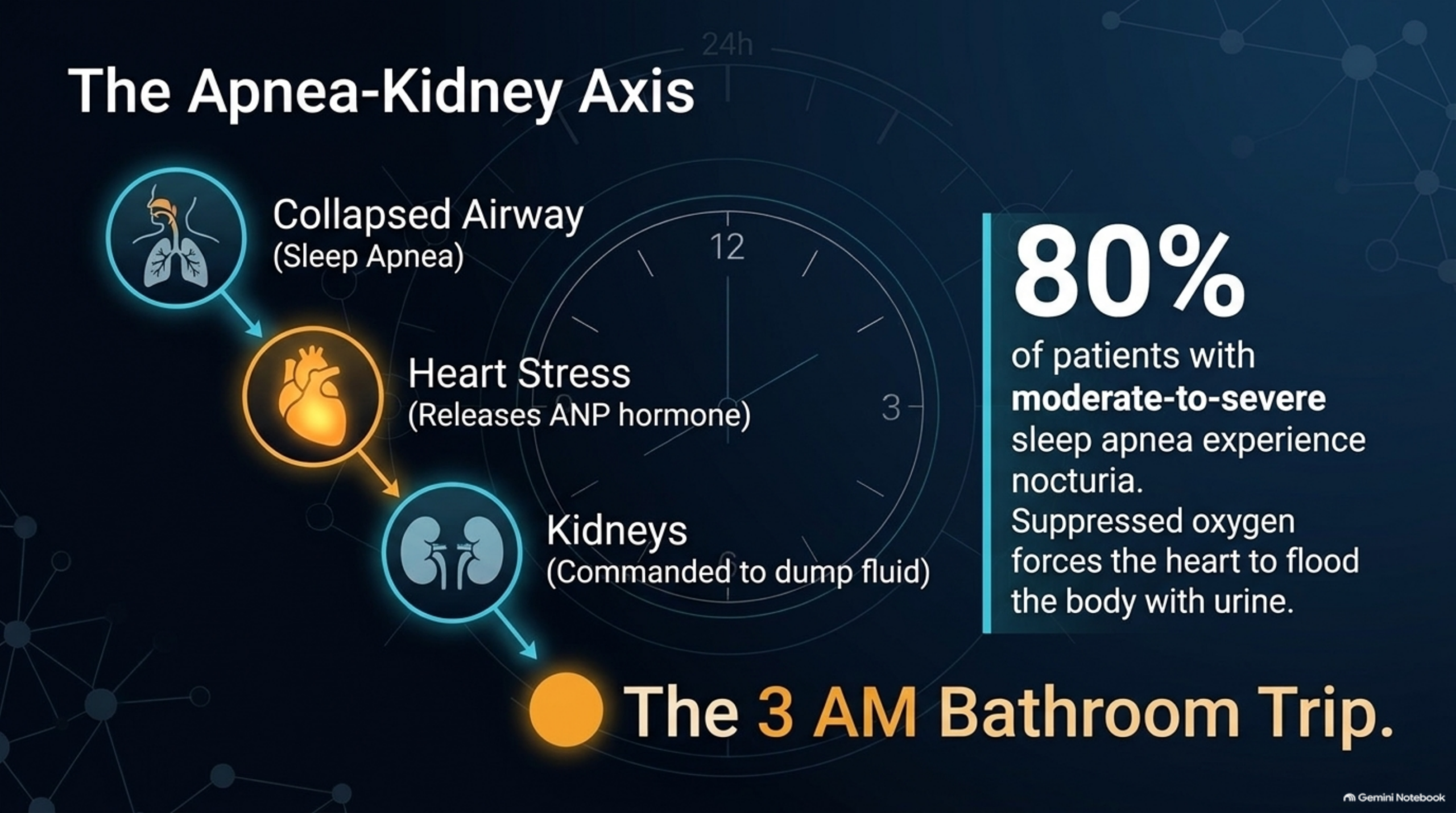
Does Atrial Natriuretic Peptide (ANP) and Nighttime Fluid Balance Impact Senior Sleep?
The relationship between heart pressure signaling and nighttime bladder volume was explored in landmark clinical research published in the Journal of the American Geriatrics Society (Ouslander, Johnson, Schnelle, Miller et al., 1999). Examining 80 older individuals (mean age 86), researchers found that 61% of participants (n=49) suffered from confirmed nocturnal polyuria, producing 50% or more of their total 24-hour urine volume during nighttime hours. While average ANP hormone levels were elevated across the geriatric group (morning average 44.2 pg/mL; evening average 43.4 pg/mL), researchers concluded that ANP elevation acts in concert with reduced nighttime antidiuretic hormone (ADH) release, age-related sleep fragmentation, and lowered bladder capacity to drive nocturnal awakenings.
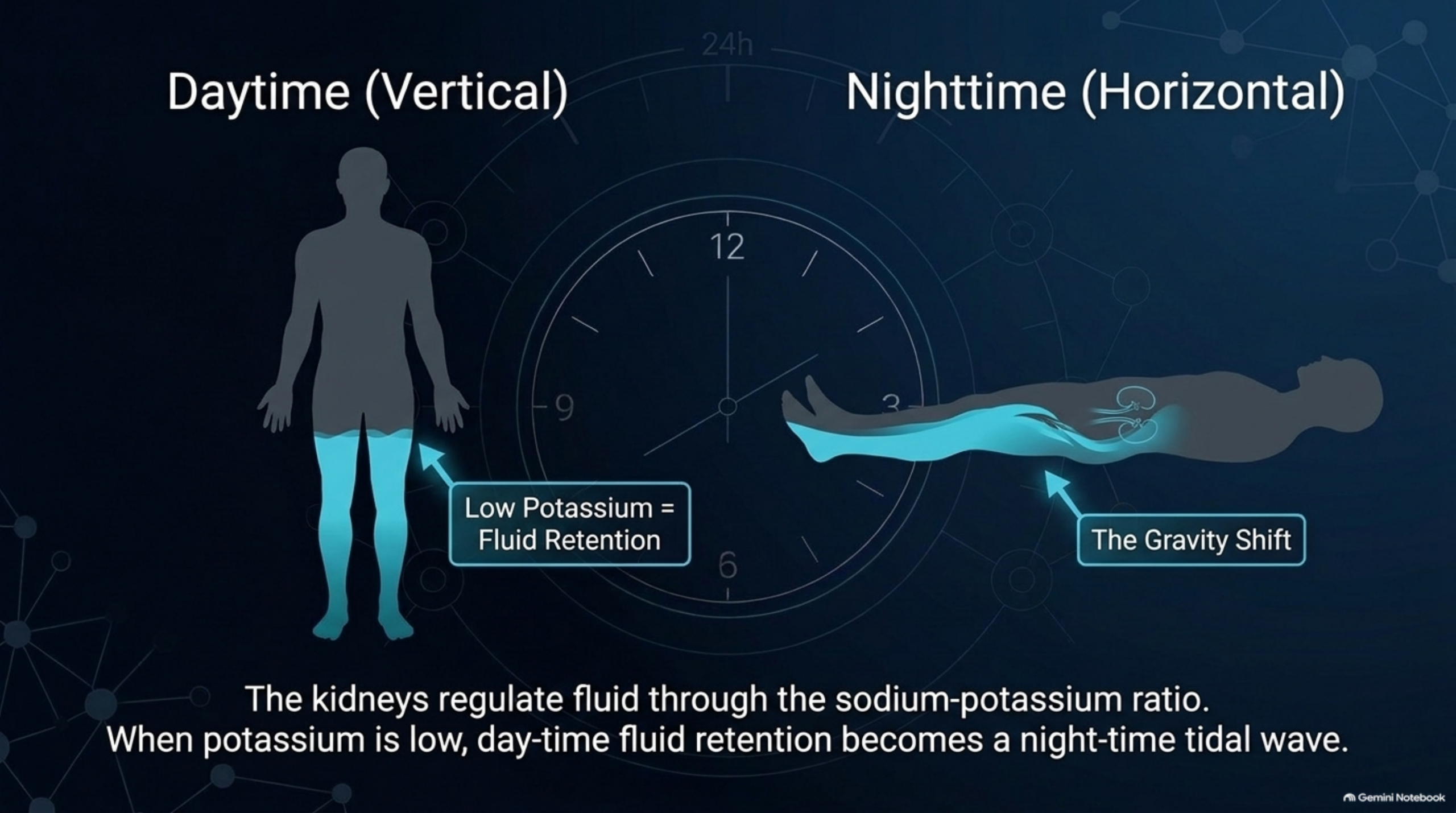
The “Dehydration Trap” and Painful Night Leg Cramps
Faced with frequent nighttime bathroom trips, many older adults make an understandable yet counterproductive choice: they stop drinking fluids early in the afternoon. Physical therapist Madhuri Kale, from Harvard-affiliated Brigham and Women’s Hospital, warns that severe evening fluid restriction creates a dangerous physiological cycle known as the “Dehydration Trap.”
When you restrict fluids, nighttime blood volume becomes concentrated, causing metabolic waste products like lactic acid to build up in resting muscle tissues. If your diet is also low in essential relaxing minerals like magnesium or potassium, your dehydrated muscle fibers lose their ability to relax smoothly. Without warning, the muscle locks into a violent, involuntary contraction—commonly called a charley horse—that tears you out of deep sleep with severe pain. If a leg cramp strikes, Kale emphasizes that you should never flex or forcefully tense the affected leg. Instead, stand up gently and apply a slow, sustained stretch to lengthen the muscle tissue until the involuntary spasm releases.
What Are the Most Effective Evidence-Based Natural Protocols for Senior Sleep?
Restoring deep, uninterrupted rest requires stepping away from temporary fixes and adopting clinically validated, non-pharmacological protocols.
1. Cognitive Behavioral Therapy for Insomnia (CBT-I)
CBT-I is recognized as the first-line gold standard for treating insomnia by the American Academy of Sleep Medicine (AASM) and the National Institutes of Health. A clinical study led by Sivertsen et al., highlighted in Sleep Breath, tracked 46 older adults with chronic insomnia across a 6-week treatment program and a 6-month follow-up.
The trial compared CBT-I directly against Zopiclone (a commonly prescribed non-benzodiazepine sleep medication) and a placebo. CBT-I significantly outperformed Zopiclone, delivering durable improvements in sleep efficiency, boosting deep slow-wave sleep, and dramatically reducing middle-of-the-night wakefulness. Unlike prescription sedatives—which carry dependency risks, morning confusion, and fall hazards—CBT-I restores biological sleep drive through three structured habits:
Stimulus Control Therapy (SCT): Re-builds a positive mental link between your bed and sleep. Seniors are guided to lie down only when genuinely sleepy, use the bed solely for sleep and intimacy, leave the bedroom if awake after 15 to 20 minutes, maintain a fixed wake-up time every morning, and limit daytime napping to a single scheduled session under 30 minutes.
Sleep Restriction Therapy (SRT): Temporarily matches your time in bed to your actual sleep capacity (calculated from sleep diary entries). This creates natural homeostatic sleep pressure, helping you consolidate fragmented sleep into solid, unbroken blocks.
Relaxation & Somatic Training: Integrates progressive muscle relaxation, focused breathing, and gentle yoga. Clinical trials by Halpern et al. demonstrated that regular yoga practice in adults aged 60+ significantly improved self-reported sleep quality, sleep efficiency, sleep onset time, and total sleep duration.
2. Targeted Physical Activity for Longevity and Sleep
Movement acts as a powerful metabolic controller, stabilizing your daily body clock. A landmark Harvard study published in Circulation by senior author Dr. Gregory Lewis, a cardiologist at Harvard-affiliated Massachusetts General Hospital, analyzed blood plasma from over 400 adults before and immediately after 12 minutes of vigorous exercise on stationary bicycles.
By tracking nearly 600 natural body metabolites, the research team discovered that just 12 minutes of activity produced immediate beneficial shifts in circulating biochemistry:
A key metabolite directly linked to heart disease and diabetes fell by 29%.
A second major metabolite tied to diabetes risk and liver disease dropped by 18%.
To build healthy sleep drive while protecting aging joints, Harvard Health Publishing recommends functional daily exercises:
Stationary & Reverse Lunges: Strengthen your entire lower body, build hip stability, improve backward balance control, and make daily movements safer.
Core Desk Planks: Build vital abdominal and back stability. You can easily adapt planks by leaning your forearms against a sturdy desk or kitchen counter.
Power Walking & Pool Workouts: Power walking with supportive walking poles or light wearable ankle weights expands aerobic capacity. Pool exercises leverage water buoyancy to relieve joint pressure while providing natural resistance. Moderate aerobic movement performed at 64% to 76% of maximum heart rate (%HRmax) for 30 minutes, 3 days a week, produces measurable improvements on both the Pittsburgh Sleep Quality Index (PSQI) and the Epworth Sleepiness Scale (ESS).
3. Nutritional & Mineral Therapy
Replenishing foundational nutrients is critical for metabolic control and smooth muscle relaxation. Dr. Bruce Bistrian, chief of clinical nutrition at Beth Israel Deaconess Medical Center, notes that essential minerals activate hundreds of key enzymes needed for optimal health:
Magnesium & Calcium: Build structural bone density, support healthy blood pressure, aid nerve signal transmission, and enable smooth muscle relaxation.
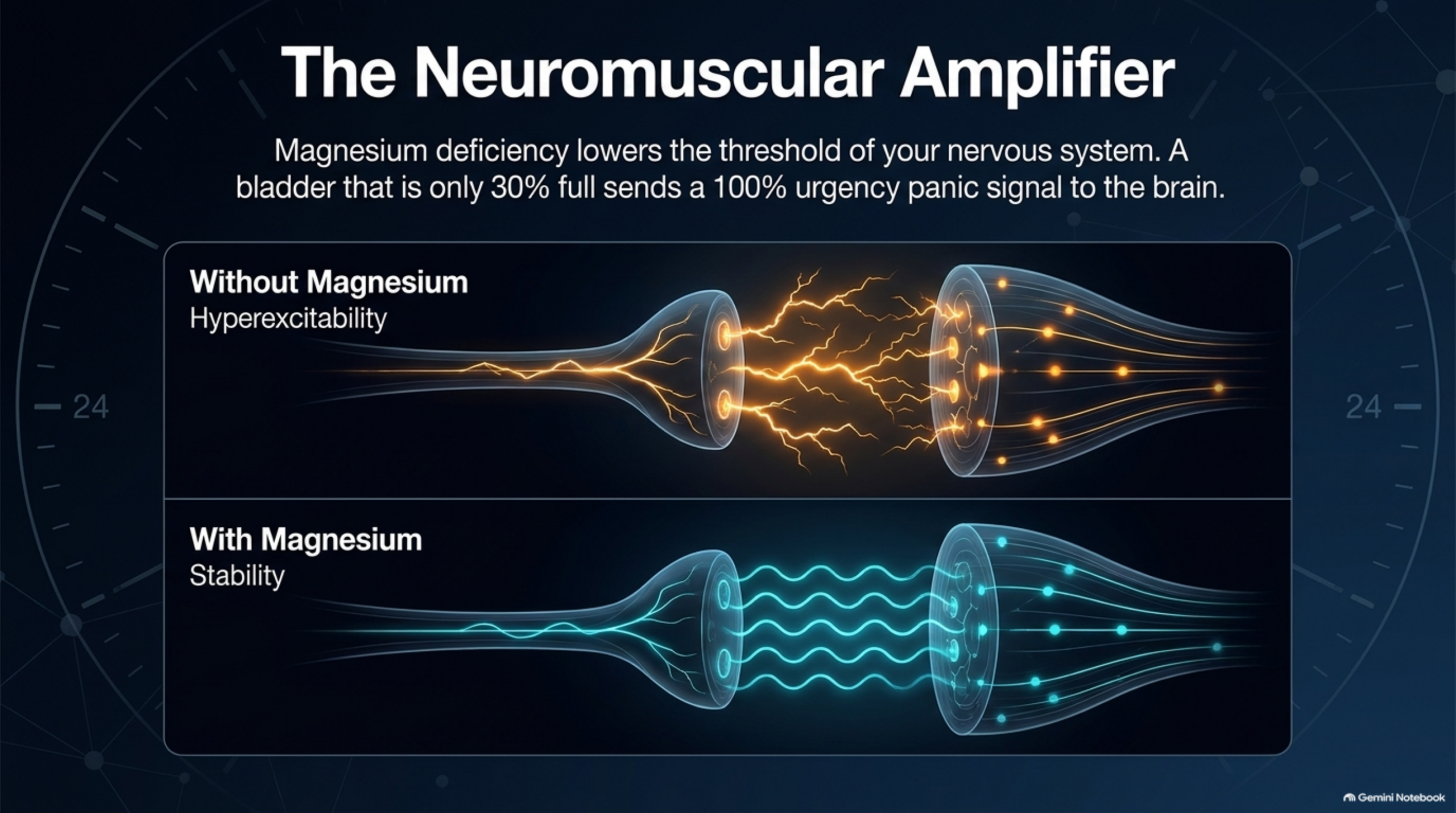
Potassium & Sodium: Regulate cellular fluid balance and maintain a steady, normal heart rhythm.
Chromium & Zinc: Chromium helps maintain normal blood sugar levels by assisting cells in drawing energy from circulating glucose, while zinc supports immune health and cellular repair.
Botanical support using adaptogenic herbs like KSM-66 Ashwagandha (600 mg/day) helps moderate stress responses, while Rhodiola (300–500 mg/day) supports calm morning energy. Licorice root extract (200–400 mg) helps sustain nighttime cortisol balance, though it must be used thoughtfully as it can raise blood pressure in sensitive individuals. Essential B vitamins (B5, B6, B12) and Vitamin C provide structural support for natural adrenal hormone synthesis.
Conversely, Harvard sleep expert Dr. Lawrence Epstein warns against relying on over-the-counter drugstore sleep aids. OTC sleep remedies rely on antihistamines or unstandardized sleep compounds that are not intended for long-term use. They frequently cause morning brain fog, daytime drowsiness, rapid drug tolerance, and urinary retention in older adults.
Comparative Analysis of Senior Sleep Strategies
| Category | Harmful / Ineffective Approach | Evidence-Based Natural Protocol | Scientific Source / Clinical Authority | Key Health Outcome |
|---|---|---|---|---|
| Medical / Sleep | Long-term use of OTC antihistamine sleep aids or prescription Zopiclone sedatives | Cognitive Behavioral Therapy for Insomnia (CBT-I) & Sleep Restriction (SRT) | AASM / Sivertsen et al. (Sleep Breath) | Superior long-term sleep efficiency and increased slow-wave sleep without drug dependency |
| Metabolic / Diet | Consuming high-refined carbohydrate bedtime snacks causing rapid insulin spikes | Balanced fat and protein bedtime snack paired with low-glycemic meal timing | Dr. Amanda Foster / Daniel Carter (CGM Data) | Prevents nocturnal reactive hypoglycemia (65–70 mg/dL dips) and 3 AM cortisol spikes |
| Nocturia / Cramps | Severe evening fluid restriction leading to nocturnal dehydration | Consistent daytime hydration + Magnesium Glycinate (300–400 mg at night) | Madhuri Kale (Brigham and Women’s) / Dr. Bruce Bistrian | Prevents painful nocturnal leg cramps, balances electrolytes, and maintains fluid homeostasis |
| Activity | Prolonged sedentary sitting throughout the day with uninterrupted resting periods | 12+ minutes of daily moderate-to-vigorous exercise + functional core planks | Dr. Gregory Lewis (Mass General) / Harvard Health | Alters heart disease and diabetes metabolites by up to 29%; enhances homeostatic sleep drive |
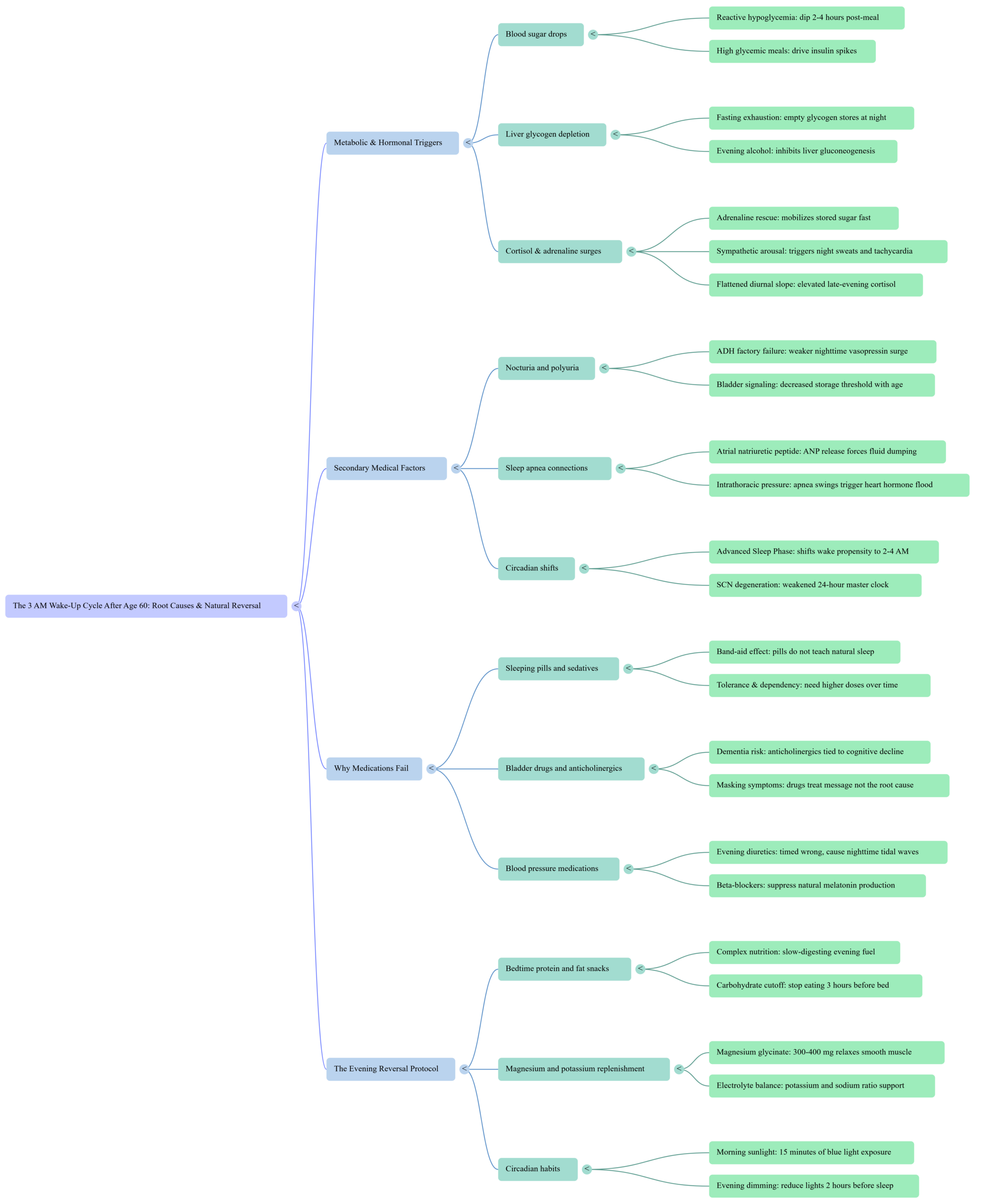
Caption: Mapping the Senior Sleep Recovery Protocol: Integrating CBT-I, Mineral Balance, and Metabolic Timing.
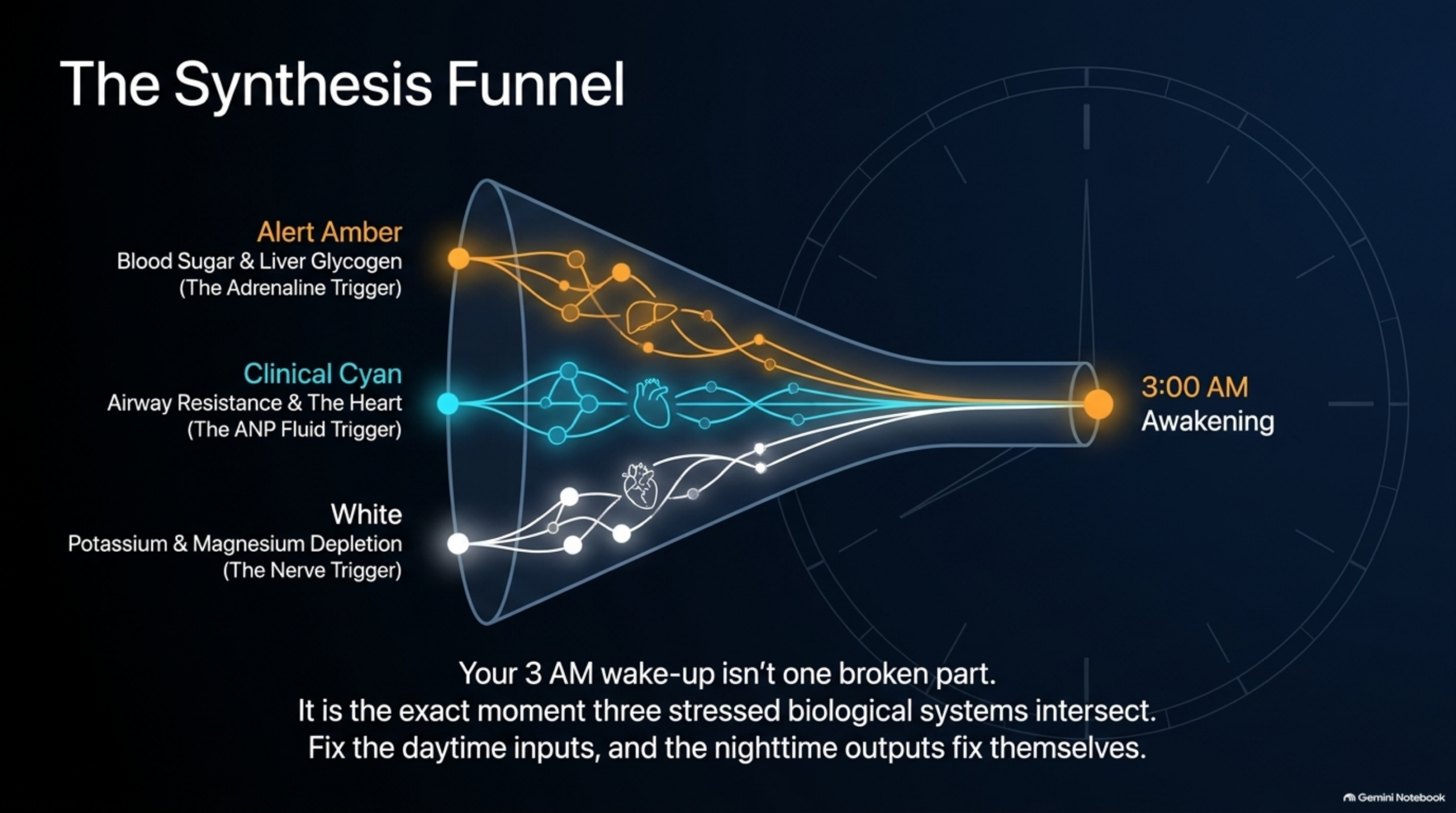
How Can Seniors Safely Reset Their Sleep and Blood Sugar in 14 Days?
To help you apply these scientific findings safely at home, this structured 14-day phased protocol translates clinical evidence into a gentle step-by-step routine. Designed specifically for older adults, this low-risk plan helps steady blood sugar curves, calm midnight cortisol responses, and build restorative sleep drive.
Phase 1 (Days 1–3): Establish Mineral & Adaptogen Support
Evening Mineral Therapy: Take 300 mg to 400 mg of high-absorption Magnesium Glycinate about 45 minutes before bed to relax resting muscles and support HPA-axis regulation.
Morning Adaptogen Support: Take 600 mg of KSM-66 Ashwagandha in the morning with breakfast to support steady stress-hormone modulation over time.
Quality Verification: Select products manufactured in Good Manufacturing Practice (GMP) certified facilities that display third-party testing seals (such as NSF, USP, or ConsumerLab) with no hidden “proprietary blends” or added sugar alcohols.
Phase 2 (Days 4–7): Optimize Meal Timing & Bedtime Nutrition
Daytime Eating Interval: Consume balanced meals containing quality protein and healthy fats every 4 to 5 hours to avoid late-afternoon blood sugar crashes.
The Bedtime Buffer: Eat a small, low-glycemic snack containing healthy fat and protein (such as a small handful of walnuts, almond butter on a celery stick, or a quarter of an avocado) 30 to 60 minutes before lying down. This provides a slow-burning fuel source that prevents fasting glucose from dropping into the 65–70 mg/dL reactive hypoglycemia zone at 3 AM.
Phase 3 (Days 8–11): Integrate 12-Minute Exercise Bursts
Daily Movement Burst: Dedicate at least 12 minutes every day to continuous, moderate-to-vigorous physical activity—such as power walking, pool exercise, or riding a stationary bicycle.
Functional Strengthening: Perform 2 sets of functional exercises, such as desk planks (holding for 20 to 30 seconds) and stationary or reverse lunges holding onto a sturdy chair for balance.
Phase 4 (Days 12–14): Track Daily Progress & Screen Safety Red Flags
Daily Progress Log: Record your morning energy on a 1-to-10 scale, note the number of nighttime wake-ups, and track your fasting blood glucose if you use a home meter or continuous glucose monitor.
Immediate Discontinuation: Stop supplement use if you experience digestive distress, loose stools (indicating magnesium over-dosing), or unusual nervousness.
Licorice & High Blood Pressure Warning: Avoid supplements containing licorice root if you have been diagnosed with hypertension, as licorice slows down cortisol breakdown and can elevate blood pressure.
Medical Contraindications: Do not begin adaptogenic supplement routines without direct medical supervision if you are pregnant, breastfeeding, suffer from active acid reflux (GERD), or take prescription blood sugar medications (such as insulin or sulfonylureas). Always consult your primary care doctor if severe sleep disruptions or night hypoglycemia persist beyond two weeks.
Frequently Asked Questions
When blood glucose drops excessively overnight (falling to 65–70 mg/dL), the adrenal glands release a protective surge of cortisol and adrenaline to stimulate liver gluconeogenesis. This sudden hormonal release spikes heart rate and nervous system arousal, waking you around 3 AM with sweats, shakiness, or anxiety.
Yes. Clinical NHANES research shows obesity increases nocturia risk by 46% (OR 1.46) and hypertension by 28% (OR 1.28) in adults aged 65 and older. Hyperinsulinemia, pelvic tissue scarring, pressure-driven kidney shifts, and nighttime lower-limb fluid reabsorption significantly elevate nocturnal urine production in older individuals.
No. Harvard sleep expert Dr. Lawrence Epstein warns that over-the-counter sleep aids are not designed for long-term use. OTC antihistamines carry heavy risks of drug tolerance, daytime cognitive fog, urinary retention, and fall hazards. Non-pharmacological therapies like CBT-I provide safer, permanent improvements in sleep quality.
Yes. A landmark Harvard study published in Circulation demonstrated that just 12 minutes of vigorous physical activity altered nearly 600 natural body metabolites. Specifically, key circulating chemical markers linked directly to heart disease, diabetes, and liver dysfunction dropped by 18% to 29%, significantly enhancing metabolic health.
Nighttime leg cramps stem from involuntary muscle contractions caused by magnesium or potassium deficiencies, un-rested muscle fatigue, or nighttime dehydration. Older adults who deliberately restrict evening water intake to avoid urological waking often dehydrate muscle tissues, leading to lactic acid accumulation and painful midnight charley horses.
Clinical trials show Cognitive Behavioral Therapy for Insomnia (CBT-I) outperforms prescription sedatives like Zopiclone over 6 weeks and 6 months. CBT-I permanently restructures sleep habits, significantly increasing deep slow-wave sleep and overall sleep efficiency without causing drug dependency, tolerance, daytime confusion, or fall risks in seniors.
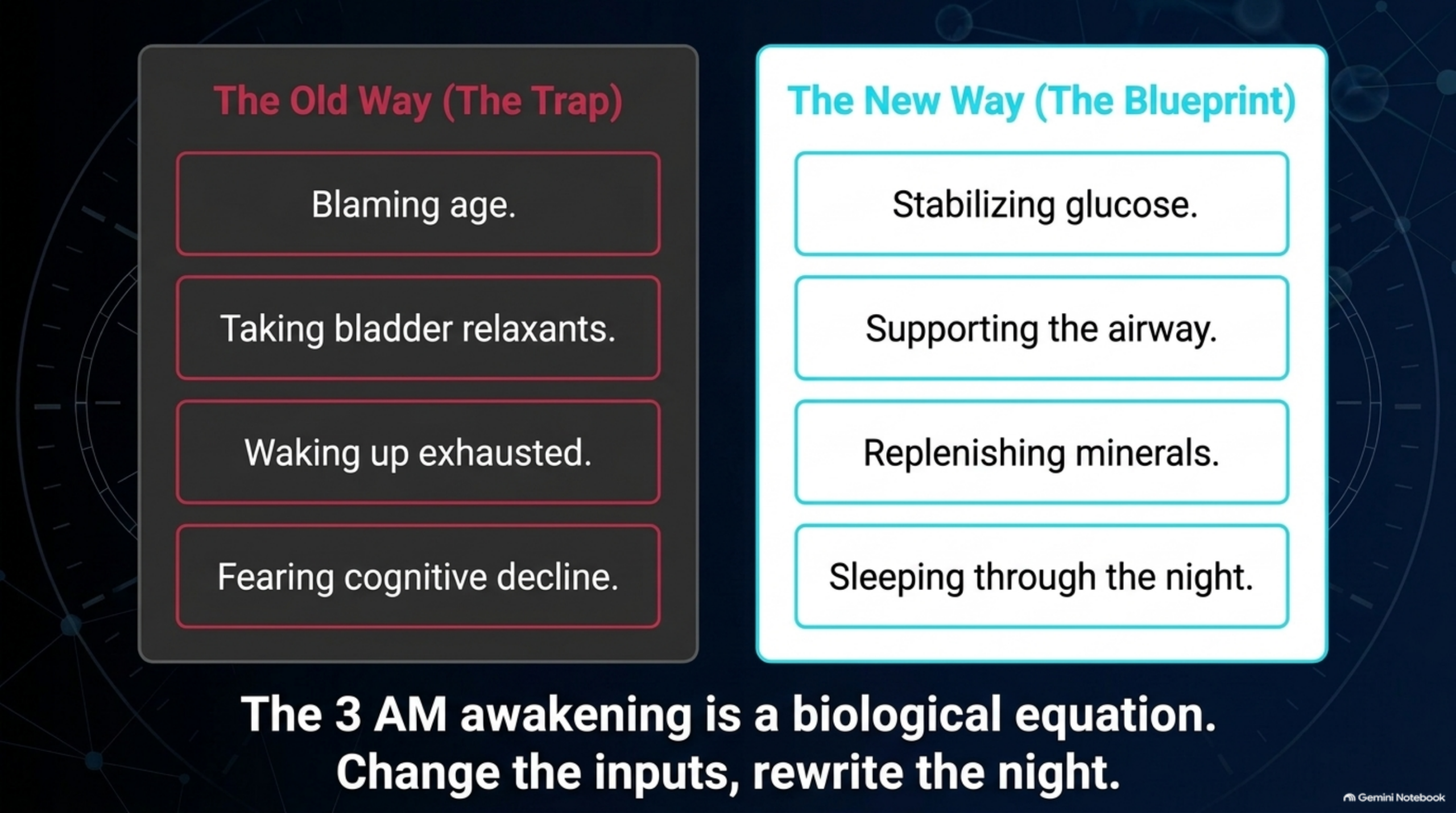
About the Author
Yogi Baqer | Life Coach (E-RYT 500)
Yogi Baqer is an Experienced Registered Yoga Teacher (E-RYT 500) and holistic life coach specializing in healthy aging, somatic movement therapy, and sleep optimization. He integrates evidence-based movement protocols, mindfulness, and metabolic timing strategies to empower older adults in restoring vital longevity and unbroken sleep.
Medical Disclaimer: This article is for informational and educational purposes only and does not constitute medical advice, diagnosis, or treatment. Always consult with a qualified healthcare provider, physician, or certified specialist before modifying your diet, exercise routine, sleep habits, or supplement regimen, especially if you have underlying medical conditions or take prescription medications.